

IN THIS ARTICLE
- Why overpricing a Miami home can hurt your final sale price
- How buyers react when a home sits on the market too long
- Why cash-heavy and financing-heavy Miami markets require different pricing strategies
- How The Opes Group helps sellers price strategically from day one
OVERPRICING A MIAMI HOME CREATES BUYER HESITATION
Overpricing a Miami home may seem like a harmless way to “test the market,” but in 2026, that strategy can work against sellers. Joanna Jimenez of The Opes Group notes that many homeowners still list too high, sit on the market, reduce after 30 days, reduce again after 60 days, and eventually sell for less than they may have achieved with stronger pricing from the start.
That matters because today’s buyers can track price history quickly. Once a Miami home is overpriced and begins showing visible reductions, buyers may assume something is wrong with the property, the pricing, or the seller’s motivation. The issue is not always the home itself. Often, it is the pricing strategy. Common risks of overpricing a Miami home include:
- Negative perception among agents and buyers
- Longer time on market
- Fewer early showings
- Lower buyer urgency
- Visible price reductions
- Weaker negotiating position
FREQUENTLY ASKED QUESTIONS
1. Why is overpricing a Miami home risky in 2026?
Because buyers can quickly see price history, days on market, and reductions, which can create hesitation.
2. Does overpricing always lead to a lower sale price?
Not always, but it can reduce buyer urgency and force the seller into price reductions later.
3. What happens when a Miami home sits too long?
Buyers may assume the home is overpriced, has issues, or that the seller may accept a lower offer.
4. Is it better to price high and negotiate down?
In many cases, no. A strategic price can create stronger demand, better traffic, and a more competitive offer environment.
MIAMI IS NOT ONE MARKET — IT IS HUNDREDS OF MICRO-MARKETS
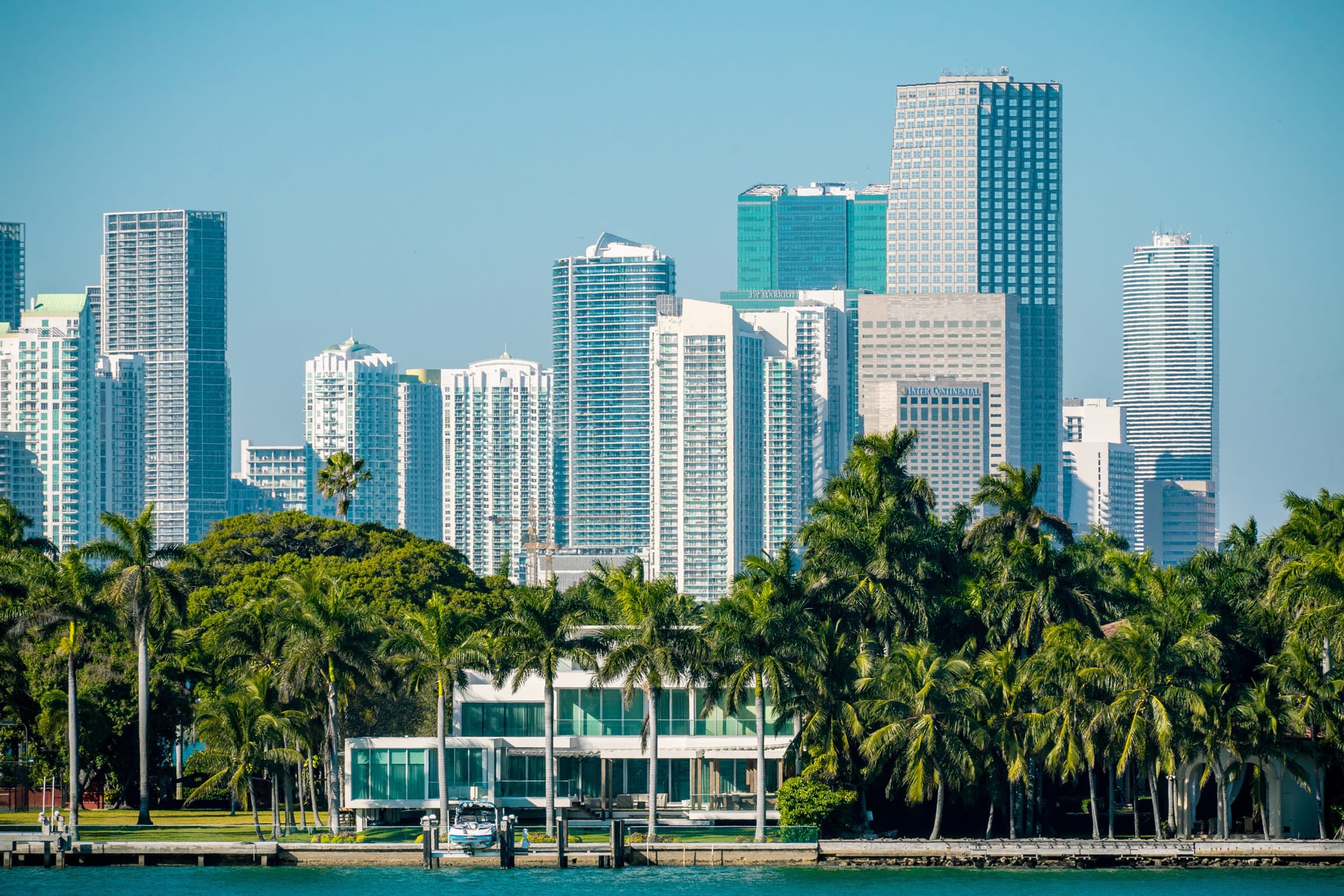
One reason overpricing a Miami home can backfire is that Miami is not one uniform real estate market. A waterfront luxury home, a Kendall single-family home, a Pinecrest estate, a Palmetto Bay property, and a condo in Brickell may all respond differently to pricing.
Joanna’s pricing guidance emphasizes that sellers need to understand the difference between cash-heavy markets and financing-heavy markets. Some neighborhoods may have enough cash-buyer depth to allow more pricing flexibility, while other areas require much more precision because buyers depend on financing, appraisals, credits, and cash-to-close calculations. Important Miami pricing differences include:
- A citywide pricing approach can miss the real buyer pool
- Some neighborhoods are cash-heavy
- Some neighborhoods are financing-heavy
- Luxury markets may allow more pricing flexibility
- Appraisal-sensitive markets require more precision
- Buyer behavior changes by price point and neighborhood
FREQUENTLY ASKED QUESTIONS
1. Why does pricing vary so much in Miami?
Miami has many micro-markets, each with different buyer behavior, inventory, cash activity, and pricing sensitivity.
2. Are cash-heavy markets easier to price aggressively?
Sometimes. Cash buyers may be less dependent on appraisals, but they can also negotiate aggressively.
3. Are financed buyers more sensitive to overpricing?
Yes. Financed buyers must consider appraisals, loan approval, closing costs, and available cash.
4. Should sellers use citywide averages to price their home?
No. Citywide data can help provide context, but pricing should be based on the specific neighborhood and property type.
APPRAISAL GAPS CAN MAKE AN OVERPRICED MIAMI HOME HARDER TO CLOSE
In financing-heavy markets, overpricing a Miami home can create a bigger problem than low traffic. It can create an appraisal gap. If a buyer offers a high price but the bank appraisal comes in lower, the deal may become harder to close.
This is where overpriced Miami homes can lose momentum. Buyers may hesitate to write offers, submit discounted offers, or walk away if the lender does not support the contract price. According to Joanna’s guidance, financed buyers must balance purchase price, loan approval, and cash needed to close, which makes pricing precision especially important. Appraisal-related risks include:
- Property returns to market with weaker perception
- Appraisal comes in below contract price
- Buyer cannot qualify at the agreed price
- Buyer does not have enough funds to bridge the gap
- Seller has to renegotiate
FREQUENTLY ASKED QUESTIONS
1. What is an appraisal gap?
An appraisal gap happens when the appraised value is lower than the contract price.
2. Why does an appraisal gap matter?
If the bank will not lend based on the contract price, the buyer may need more cash or the deal may need to be renegotiated.
3. Are appraisal gaps more common with overpriced homes?
They can be, especially when the contract price is not supported by recent comparable sales.
4. Can cash buyers avoid appraisal issues?
Often, yes. Cash buyers are usually less dependent on lender appraisals, though they still care about value.
STRATEGIC PRICING CAN CREATE DEMAND INSTEAD OF CHASING THE MARKET DOWN
A smarter approach to pricing your Miami home in 2026 is to price strategically from the beginning. The goal is not to underprice blindly. The goal is to position the home where buyers recognize value, show up quickly, and potentially compete.
This matters because the Miami market still has strong buyer activity in several single-family segments. Miami-Dade single-family home sales increased 10.61% year-over-year in March 2026, while months supply of inventory was 5.7 months, indicating that many single-family sellers still have opportunity when the property is positioned correctly. A strong Miami home pricing strategy should:
- Give the market room to compete upward
- Use recent comparable sales
- Account for active competition
- Consider buyer behavior by neighborhood
- Reflect whether buyers are cash or financed
- Create early showing activity
- Avoid unnecessary public price reductions
FREQUENTLY ASKED QUESTIONS
1. What is the best pricing strategy for a Miami home in 2026?
The best strategy is to price based on local data, buyer behavior, property condition, and the specific neighborhood market.
2. Should sellers price slightly below market to create competition?
Sometimes, but not always. The right strategy depends on the home, neighborhood, and buyer pool.
3. Why is early demand so important?
The first few weeks often bring the most active buyers. Strong early interest can lead to stronger offers.
4. What does it mean to chase the market down?
It means starting too high, reducing later, and losing buyer confidence as the listing ages.
WORK WITH THE OPES GROUP TO UNDERSTAND MIAMI REAL ESTATE PRICES
Overpricing a Miami home does not create opportunity if it causes buyers to hesitate. In many cases, the better strategy is to price with discipline, create early demand, and let competition work in the seller’s favor.
The Opes Group helps Miami sellers evaluate pricing through neighborhood data, buyer behavior, market conditions, property presentation, and the difference between public and private launch strategies. The goal is to avoid costly pricing mistakes and position the home correctly from day one.
The Opes Group helps sellers with:
- Data-driven pricing strategy
- Neighborhood-specific market analysis
- Private Exclusive and Coming Soon strategy when appropriate
- Listing preparation before launch
- Marketing designed to create demand
- Buyer feedback and offer strategy
- Repositioning stale or overpriced listings
If your Miami home has been sitting, reducing, or failing to attract the right offers, it may not be a property problem. It may be a strategy problem.

SELL YOUR HOME WITH THE OPES GROUP
BUY WITH THE OPES GROUP
Buying with The Opes Group means having a team of experts guiding you from the first consultation to closing day. Clients benefit from hyper-local market insights, strategic recommendations, and access to both on-market and off-market opportunities. With trusted vendors and a dedicated transaction team, buyers enjoy a smooth, stress-free process all the way to the celebration of their new home.