

IN THIS ARTICLE
- What gives a Miami neighborhood architectural distinction
- The five Miami neighborhoods with the best architecture
- What buyers should consider when purchasing an architecturally distinctive home
- How The Opes Group helps clients navigate Miami’s design-driven real estate market
WHAT DEFINES GREAT NEIGHBORHOOD ARCHITECTURE IN MIAMI?
The Miami neighborhoods with best architecture are distinguished by more than individual statement homes. Their appeal comes from the relationship between architecture, landscaping, street design, history, and the surrounding environment. In some communities, Mediterranean Revival estates and historic residences create a strong sense of place. In others, contemporary waterfront homes, tropical modernism, or carefully preserved mid-century properties define the neighborhood’s identity.
Miami’s architectural diversity reflects the city’s different periods of growth and its relationship with the tropical climate. Deep overhangs, courtyards, shaded terraces, interior gardens, expansive glass, coral stone, tile roofs, and indoor-outdoor living spaces frequently appear across the city. The strongest architectural neighborhoods combine this local character with thoughtful planning, mature vegetation, and homes that remain visually connected to their surroundings.
Characteristics commonly found in the Miami neighborhoods with best architecture include:
- Continued investment in quality renovation and design
- A recognizable architectural identity
- Historic homes with preserved original details
- Custom residences designed for individual properties
- Strong relationships between homes and landscaping
- Indoor-outdoor spaces adapted to Miami’s climate
- A mixture of architectural periods and styles
- Tree-lined streets and thoughtfully planned surroundings

FREQUENTLY ASKED QUESTIONS
1. What architectural styles are most common in Miami?
Miami includes Mediterranean Revival, Art Deco, Mid-Century Modern, Tropical Modern, contemporary, Spanish Colonial, and traditional estate architecture. The dominant style varies significantly by neighborhood.
2. Does architectural character increase property value?
It can. Distinctive architecture, respected design, preserved details, and a strong neighborhood identity may increase buyer interest, particularly when the home has been carefully maintained or renovated.
3. Are historic homes more difficult to renovate?
They may be. Historic designations, local regulations, original materials, and specialized construction methods can affect the renovation process. Buyers should review restrictions and property conditions before purchasing.
4. Is newer architecture always more desirable?
No. Some buyers prefer contemporary construction, while others value historic craftsmanship, mature surroundings, and original architectural details. Desirability depends on the property and the buyer’s priorities.
THE FIVE MIAMI NEIGHBORHOODS WITH THE BEST ARCHITECTURE
Miami contains many architecturally impressive areas, but a smaller group stands apart because design plays a defining role in the neighborhood’s character. These communities include historic districts, waterfront enclaves, estate neighborhoods, and urban residential areas where architecture contributes directly to the ownership experience.
The following five neighborhoods represent different sides of Miami design. Some are recognized for historic preservation, while others are known for custom estates, tropical landscaping, modern residences, or a distinctive relationship with the water. Together, they demonstrate the range found across the Miami neighborhoods with best architecture.
Architectural qualities that distinguish these neighborhoods include:
- Strong variety across architectural periods
- Historic districts and landmark residences
- Mediterranean Revival and Art Deco influences
- Custom estate architecture
- Tropical landscaping integrated with home design
- Modern waterfront residences
- Distinctive streetscapes and neighborhood planning
- High-quality renovations and adaptive reuse

1. CORAL GABLES
Coral Gables is one of Miami’s most architecturally cohesive cities. Mediterranean Revival homes, historic landmarks, coral stone details, tiled roofs, courtyards, fountains, and tree-covered streets reflect the vision behind the city’s original development. The area also includes contemporary estates and significant waterfront residences, creating a broad architectural range within a carefully planned environment.
That architectural identity remains one of Coral Gables’ defining characteristics, with many neighborhoods maintaining a strong relationship between the homes, landscaping, streetscapes, and surrounding public spaces. From historic residences near the city center to large modern estates in communities such as Gables Estates and Cocoplum, buyers can find a wide range of architectural styles without losing the sense of visual continuity that makes Coral Gables distinctive.

2. MIAMI BEACH
Miami Beach contains one of the country’s most recognizable collections of Art Deco architecture, particularly within the historic district of South Beach. Beyond its hotels and commercial buildings, the city also includes Mediterranean Revival homes, Mid-Century Modern residences, contemporary waterfront estates, and architecturally ambitious condominiums.
The variety becomes even more pronounced across neighborhoods such as the Venetian Islands, Sunset Islands, North Bay Road, and other waterfront enclaves, where historic residences sit alongside striking contemporary homes. This combination of preserved architectural history and ongoing high-end development gives Miami Beach one of the broadest and most visually recognizable architectural landscapes in South Florida.

3. COCONUT GROVE
Coconut Grove is known for architecture that feels closely connected to its tropical setting. Historic cottages, modern homes, Mediterranean estates, gated compounds, and contemporary waterfront residences sit among dense vegetation and winding streets. The neighborhood’s less formal layout allows for greater architectural individuality than many planned communities.
That freedom has helped Coconut Grove develop a highly eclectic residential character, where distinctive homes can feel almost hidden within mature tropical landscaping. New luxury construction increasingly incorporates glass, natural materials, courtyards, expansive terraces, and indoor-outdoor living, while older properties preserve the neighborhood’s historic and bohemian architectural influences.

4. MORNINGSIDE
Morningside offers a concentrated collection of historic homes within a gated neighborhood along Biscayne Bay. Mediterranean Revival, Art Deco, and early twentieth-century residences appear throughout its tree-lined streets. The neighborhood’s preserved scale, mature landscaping, and architectural continuity give it a distinct identity.
Many homes have been carefully restored or updated while retaining the proportions and exterior details that give the neighborhood its historic character. Combined with Morningside’s waterfront setting, established tree canopy, and relatively consistent residential scale, this preservation creates an architectural environment that feels noticeably different from Miami’s newer luxury communities.

5. PONCE-DAVIS
Ponce-Davis is known for substantial custom estates on large residential lots. The neighborhood includes Mediterranean-inspired homes, transitional architecture, tropical modern residences, and contemporary new construction. Its lot sizes allow architects to create expansive homes with courtyards, guesthouses, gardens, pools, and integrated outdoor living spaces.
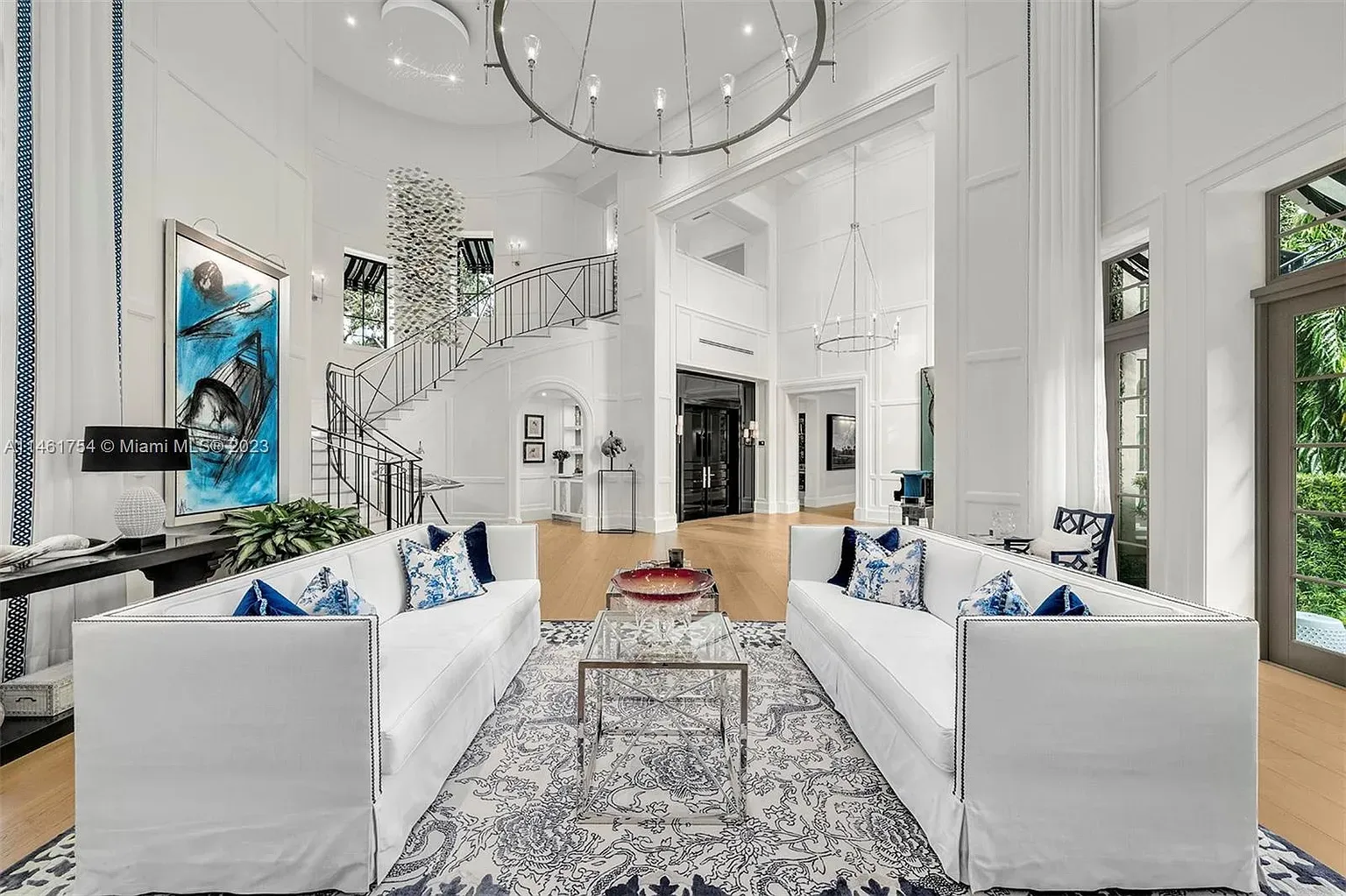
Because many properties occupy sizable parcels, residential design in Ponce-Davis can extend beyond the primary structure to encompass the entire estate. Long driveways, landscaped grounds, detached guest accommodations, outdoor entertaining areas, and carefully planned transitions between interior and exterior spaces allow architects to create residences with a scale and level of customization that are difficult to achieve in denser Miami neighborhoods.
FREQUENTLY ASKED QUESTIONS
1. Which neighborhood has the strongest historic architecture?
Coral Gables, Miami Beach, and Morningside offer especially strong historic character. Each reflects a different period and style within Miami’s architectural development.
2. Which neighborhood is best for contemporary homes?
Ponce-Davis, Coconut Grove, Coral Gables, and waterfront areas of Miami Beach contain significant contemporary residences. Available styles vary by street and price range.
3. Where can buyers find the greatest architectural variety?
Coral Gables, Coconut Grove, and Miami Beach provide broad architectural diversity, with historic properties, modern residences, renovated estates, and custom homes appearing within the same larger market.
4. Are architecturally distinctive homes more expensive to maintain?
They can be. Custom materials, historic details, extensive glass, specialized roofing, landscaping, and older building systems may require more careful or costly maintenance than standardized construction.
BUYING A HOME IN AN ARCHITECTURALLY DISTINCTIVE NEIGHBORHOOD
Buyers should consider both visual appeal and practical ownership when evaluating an architecturally significant home. Original details, custom construction, unusual layouts, and specialized materials can give a property extraordinary character, but they may also create additional inspection, maintenance, insurance, or renovation considerations. The quality of prior improvements is particularly important when a historic or custom residence has been updated over time.
The neighborhood’s architectural protections should also be reviewed. Historic districts, municipalities, gated communities, and homeowners associations may regulate exterior alterations, additions, demolition, landscaping, or new construction. These guidelines can help preserve long-term character, but they may also affect a buyer’s plans for the property.
Important considerations when evaluating an architectural home include:
- Long-term resale appeal among design-conscious buyers
- The condition of original building materials
- Quality and compatibility of previous renovations
- Historic designation or preservation requirements
- Architectural review and permitting restrictions
- Roof, windows, electrical, and plumbing systems
- Insurance and maintenance costs
- Functional layout for modern living

FREQUENTLY ASKED QUESTIONS
1. Should buyers hire specialized inspectors?
It may be helpful, particularly for historic, waterfront, or highly customized homes. Specialists can evaluate features that may fall outside a standard residential inspection.
2. Can an older home be updated without losing its character?
Yes. Thoughtful renovations can improve functionality while preserving original details, proportions, materials, and architectural identity. The quality of the design team is especially important.
3. Do architectural restrictions protect property values?
They may help preserve neighborhood consistency and prevent incompatible development. However, buyers should understand how those restrictions may affect future renovations or additions.
4. Is architecture more important than location?
Architecture and location should be evaluated together. An exceptional home may still face limitations related to traffic, flooding, neighboring development, or accessibility, while a strong location can enhance the value of good design.
HOW THE OPES GROUP CAN HELP YOU FIND A HOME IN MIAMI’S BEST ARCHITECTURAL NEIGHBORHOODS
Finding a home within the Miami neighborhoods with best architecture requires more than searching by price, bedroom count, or square footage. Joanna Jimenez and The Opes Group help buyers evaluate architectural style, renovation quality, neighborhood character, lot configuration, historic restrictions, and the practical realities of owning a distinctive property.
The Opes Group can also help clients compare homes that may be difficult to evaluate through listing photographs alone. Original craftsmanship, construction quality, layout, materials, landscaping, and the relationship between the residence and its surroundings all influence long-term appeal. This detailed approach helps buyers identify properties that are both visually compelling and appropriate for their ownership goals.
The Opes Group can assist buyers with:
- Coordinating inspections, due diligence, and closing
- Identifying Miami neighborhoods known for architectural character
- Comparing historic, modern, and custom residences
- Evaluating renovation quality and original details
- Reviewing historic or architectural restrictions
- Assessing lot design and indoor-outdoor living spaces
- Comparing recent sales of architecturally distinctive homes
- Structuring and negotiating competitive offers

SELL YOUR HOME WITH THE OPES GROUP
BUY WITH THE OPES GROUP
Buying with The Opes Group means having a team of experts guiding you from the first consultation to closing day. Clients benefit from hyper-local market insights, strategic recommendations, and access to both on-market and off-market opportunities. With trusted vendors and a dedicated transaction team, buyers enjoy a smooth, stress-free process all the way to the celebration of their new home.