

IN THIS ARTICLE
- What defines a strong luxury real estate market
- The five strongest luxury markets in Miami
- What buyers and sellers should consider in these neighborhoods
- How The Opes Group helps clients navigate Miami’s luxury market
WHAT DEFINES A STRONG LUXURY REAL ESTATE MARKET?
The strongest luxury markets in Miami are not determined by high asking prices alone. A truly strong market combines sustained buyer demand, limited high-quality inventory, desirable housing, long-term neighborhood prestige, and the ability to attract qualified purchasers across changing economic conditions. These neighborhoods tend to remain relevant because they offer qualities that cannot easily be recreated, including waterfront access, large lots, architectural character, privacy, central locations, and established reputations.
Market strength can also appear differently from one neighborhood to another. Some communities benefit from international recognition and a steady flow of high-net-worth buyers, while others are supported by families seeking larger homes, private schools, and long-term residency. The strongest markets generally offer a broad combination of lifestyle value and scarcity, helping them remain competitive even when buyers become more selective.
Characteristics frequently associated with the strongest luxury markets in Miami include:
- Resilient appeal across different market cycles
- Consistent demand from qualified luxury buyers
- Limited availability of high-quality homes
- Strong neighborhood name recognition
- Desirable waterfront or estate properties
- Access to schools, business districts, and amenities
- High-quality renovations and new construction
- Long-term owner confidence
FREQUENTLY ASKED QUESTIONS
1. What makes one luxury neighborhood stronger than another?
A strong luxury market typically combines buyer demand, limited supply, desirable properties, location, and long-term prestige. Neighborhoods that offer several of these qualities often remain competitive even when broader market activity slows.
2. Does a higher median price mean a stronger market?
Not necessarily. High prices may reflect prestige, but market strength also depends on buyer activity, inventory quality, transaction volume, and how consistently well-positioned homes attract serious interest.
3. Are waterfront neighborhoods always the strongest?
Waterfront communities often benefit from scarcity and lifestyle demand, but inland neighborhoods with large lots, excellent schools, privacy, and strong residential appeal can also maintain exceptionally healthy luxury markets.
4. Can luxury market strength change over time?
Yes. Buyer preferences, inventory, insurance costs, interest rates, new development, and neighborhood improvements can all influence demand. However, established luxury communities often retain advantages that support their long-term appeal.
THE FIVE STRONGEST LUXURY MARKETS IN MIAMI
Miami contains several prestigious residential areas, but a smaller group consistently stands out for its combination of buyer demand, limited inventory, quality housing, and enduring desirability. These neighborhoods appeal to different luxury audiences, ranging from waterfront estate buyers and international purchasers to families seeking large properties and long-term stability.
Recent 2026 data reinforces the continued strength of Miami’s upper end. Across South Florida, million-dollar sales increased nearly 40% year over year in June, while year-to-date sales of $1 million-plus properties were up 21.9%. In Miami-Dade specifically, year-to-date single-family sales above $1 million increased 22.8%, and properties at that level accounted for 28% of all single-family transactions.
The following communities represent five of the strongest luxury markets in Miami because each offers a distinct collection of advantages. Their strength does not mean every property performs equally. Pricing, condition, location within the neighborhood, and marketing strategy remain essential, but these communities continue to occupy important positions within Miami’s high-end real estate market.
1. CORAL GABLES
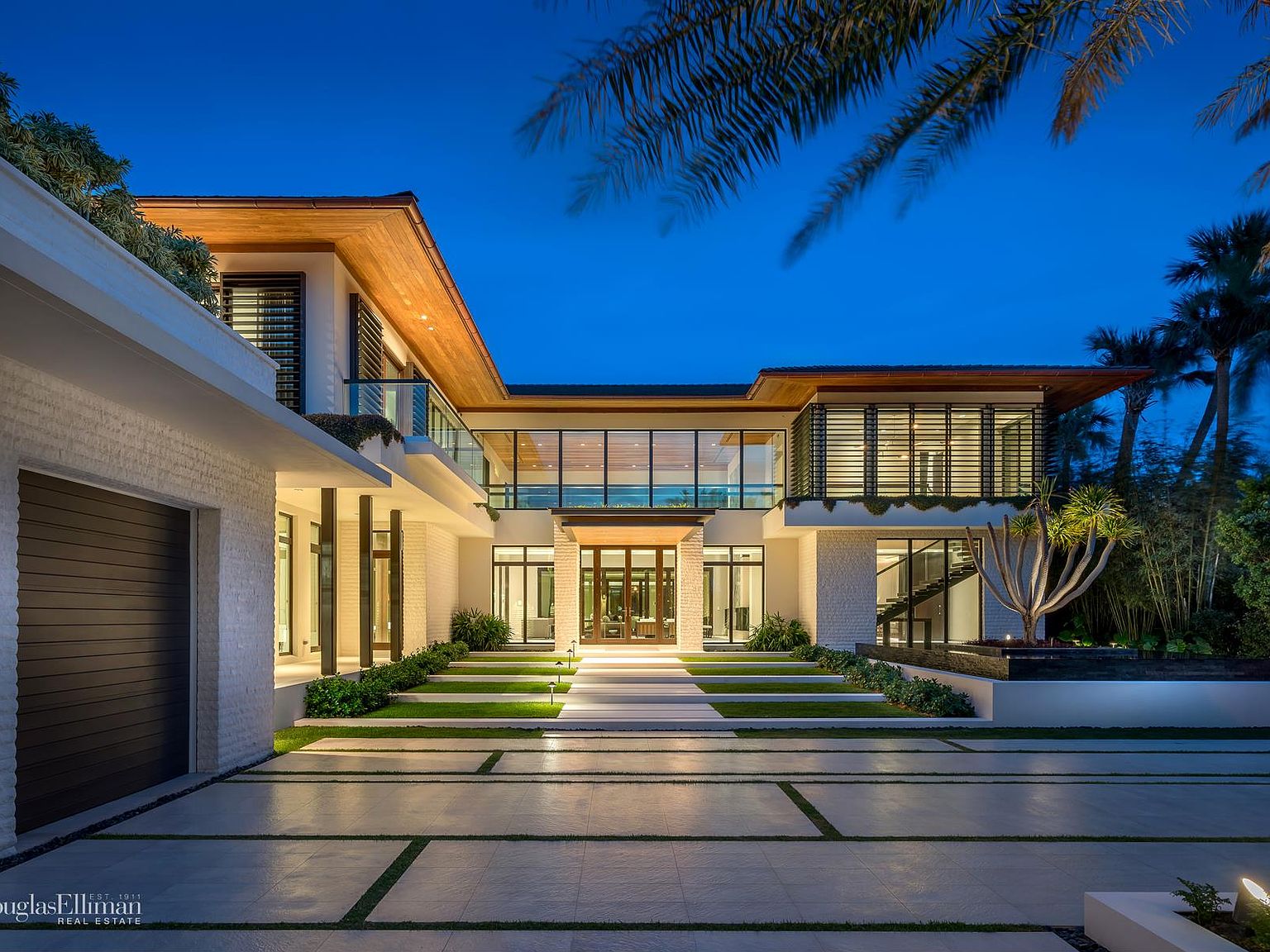
Coral Gables offers one of Miami’s broadest and most established luxury markets. The city includes historic residences, contemporary estates, gated waterfront communities, golf-course properties, and architecturally significant homes. Its proximity to private schools, business districts, dining, shopping, and Biscayne Bay supports demand from both local and relocating buyers.
Current sales data reinforces that position. Through June 2026, Coral Gables single-family sales were running approximately 12% ahead of the same period in 2025, while the median single-family sales price in June was 38% higher year over year. Earlier 2026 data also placed Coral Gables among South Florida’s major million-dollar markets, with January-through-April sales increasing 16% from the prior year.

2. MIAMI BEACH
Miami Beach remains one of the world’s most recognizable luxury real estate destinations. Its market includes waterfront estates, luxury condominiums, historic homes, and private island communities. International visibility, beach access, boating, entertainment, and proximity to Miami’s urban core continue to attract a diverse group of high-end buyers.
The single-family market has shown particularly strong momentum in 2026. MIAMI REALTORS reported that year-to-date Miami Beach single-family sales were 10% higher through June, while the June median single-family sales price increased 60% year over year. The condominium market has been more selective, with June condo median prices lower than a year earlier, illustrating how much of Miami Beach’s current strength is concentrated in scarce single-family homes, waterfront properties, and the upper end of the market.
3. COCONUT GROVE
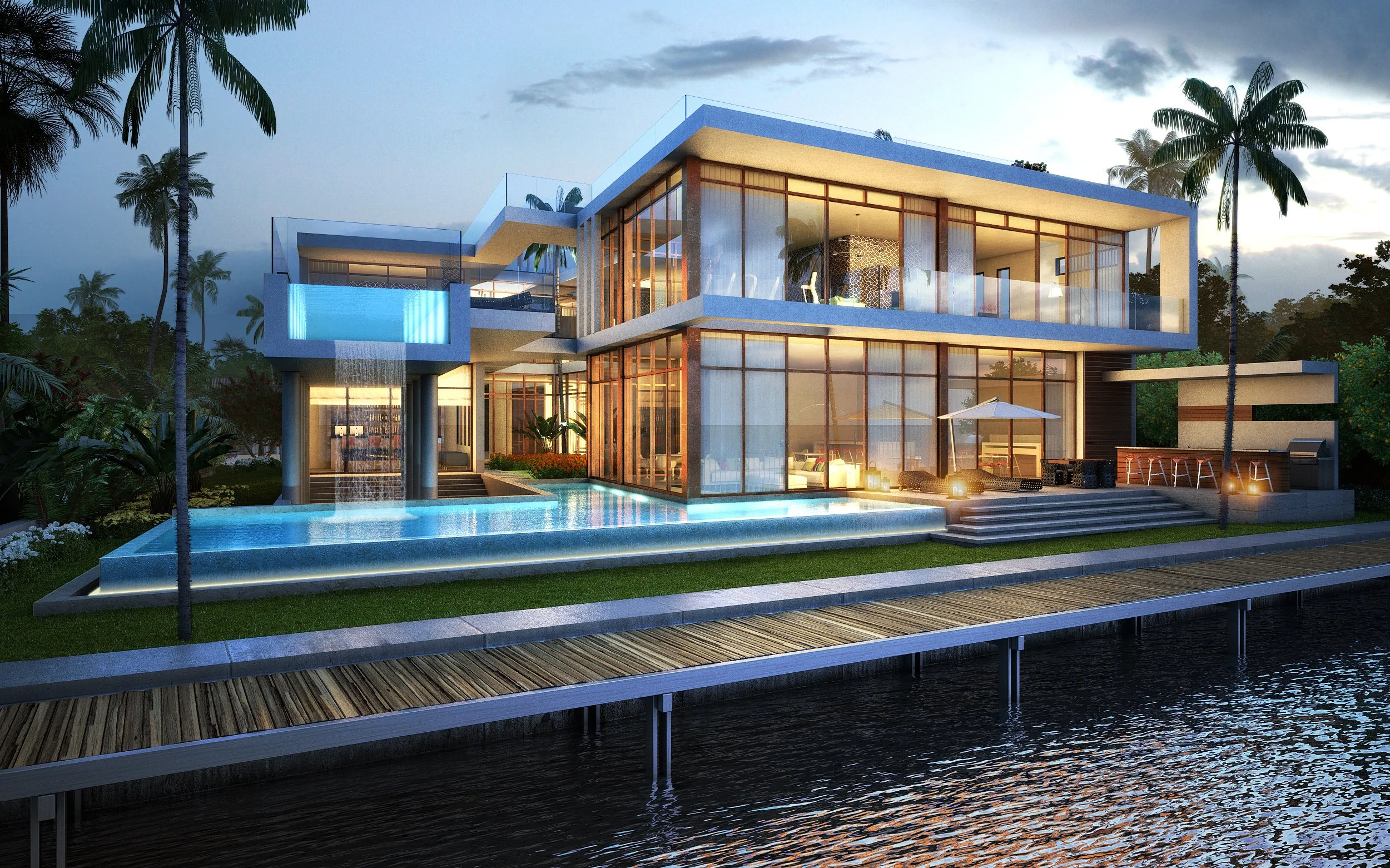
Coconut Grove combines a highly desirable lifestyle with limited residential inventory. The neighborhood offers waterfront condominiums, gated enclaves, contemporary homes, historic properties, and tree-covered streets close to marinas, parks, private schools, and downtown business areas. Its walkability and village atmosphere distinguish it from many other Miami luxury markets.
Redfin’s latest rolling three-month data places the neighborhood’s median sale price at approximately $2.9 million, up more than 70% from the same period a year earlier, although short-term neighborhood medians can be influenced by the mix of properties sold. The longer-term trend is equally notable: the median Coconut Grove single-family price reached approximately $2.35 million in late 2025, more than double its 2019 level, while a series of transactions exceeding $70 million and $100 million has pushed the neighborhood deeper into Miami’s ultra-luxury tier.
4. PINECREST
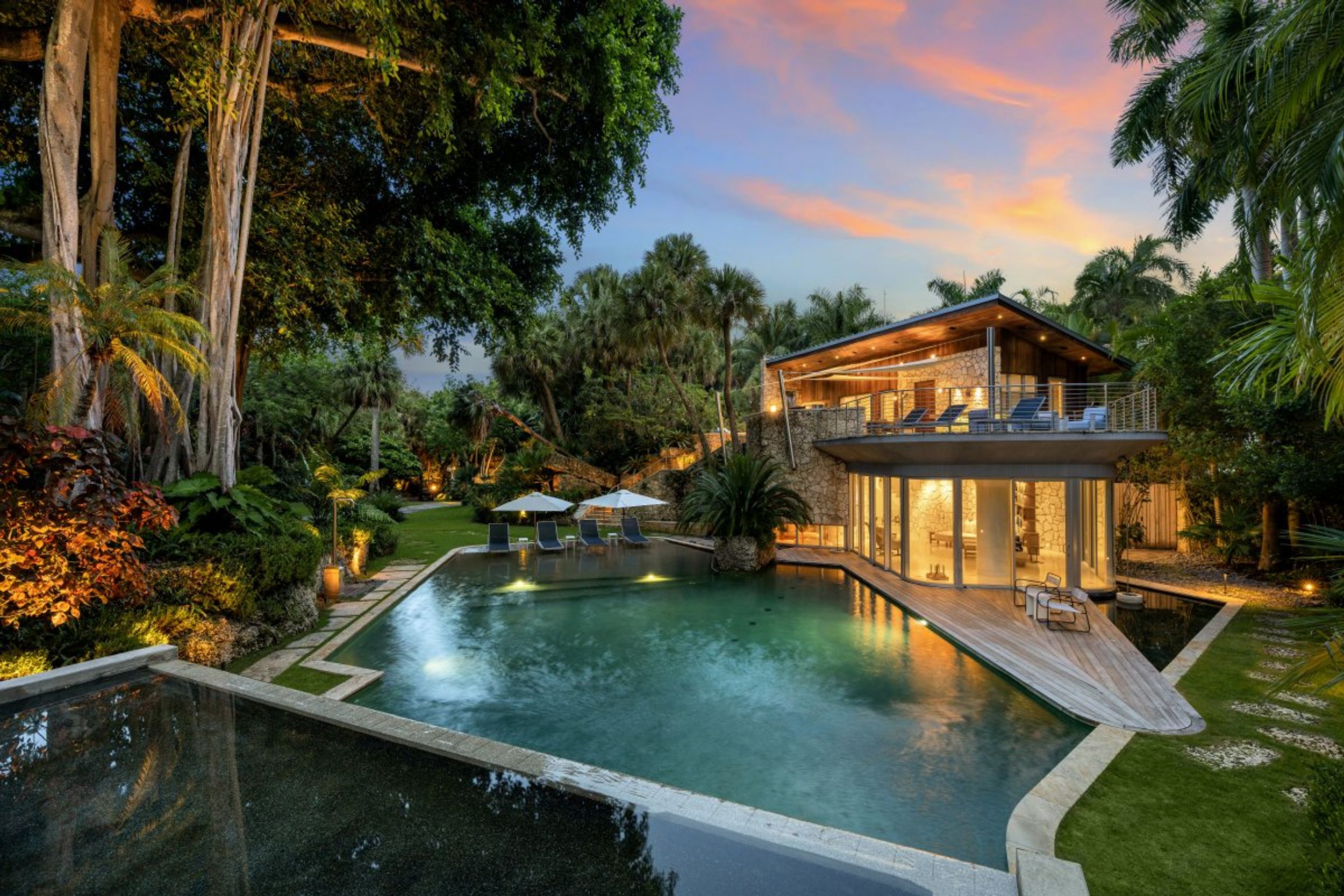
Pinecrest has developed into one of Miami’s strongest estate-home markets. Buyers are drawn to its large lots, luxury new construction, established schools, residential privacy, and family-oriented environment. The neighborhood appeals especially to purchasers seeking substantial indoor and outdoor space without leaving central Miami-Dade.
The 2026 market has continued to demonstrate meaningful transaction demand even as pricing has become more balanced. MIAMI REALTORS identified Pinecrest as one of South Florida’s major million-dollar single-family markets, with January-through-April sales increasing 19% year over year. More recent data shows a median sale price of approximately $2.15 million, while homes have been selling faster than a year earlier, reinforcing the depth of demand for well-positioned estate properties despite a more selective buyer environment.

5. KEY BISCAYNE
Key Biscayne offers an island lifestyle with beaches, parks, boating access, luxury condominiums, and single-family homes. Its geographic limits naturally constrain inventory, while its schools, community atmosphere, and proximity to Downtown Miami support sustained interest among domestic and international buyers.
Recent numbers strengthen the case for Key Biscayne as one of Miami’s most resilient luxury markets. MIAMI REALTORS reported that single-family sales during the first four months of 2026 were 33% higher year over year, while luxury condominium sales increased 15%. By June, Redfin’s rolling three-month median sale price had reached approximately $1.85 million, up 43% from the same period in 2025, with homes also selling considerably faster than a year earlier.
FREQUENTLY ASKED QUESTIONS
1. Which neighborhood offers the greatest variety of luxury homes?
Coral Gables and Miami Beach offer especially broad selections, including historic homes, modern estates, waterfront properties, gated communities, and luxury condominiums. The best fit depends on the buyer’s preferred lifestyle.
2. Which market is strongest for large estate properties?
Pinecrest and portions of Coral Gables are particularly attractive to buyers seeking expansive lots and substantial single-family homes. Individual lot sizes and neighborhood characteristics should still be compared carefully.
3. Which neighborhoods attract the most international buyers?
Miami Beach, Key Biscayne, and Coral Gables have long attracted international interest. Coconut Grove and Pinecrest also appeal to relocating families and buyers seeking full-time residences.
4. Do homes in these markets sell quickly?
Well-priced and well-presented properties can attract strong interest, but timing varies by price range, condition, location, and available competition. Even in strong markets, unrealistic pricing can limit buyer response.
BUYING OR SELLING IN A STRONG MIAMI LUXURY MARKET
A strong neighborhood does not eliminate the need for careful strategy. Buyers should evaluate recent sales, current inventory, property condition, insurance considerations, renovation quality, and the exact location of a home within the community. Two properties with similar prices may offer very different long-term value depending on lot position, waterfront access, architecture, and surrounding development.
Sellers must also understand that buyers in the luxury market are highly selective. Strong neighborhood demand creates opportunity, but presentation, pricing, photography, exposure, and negotiation remain critical. A home that is thoughtfully positioned can benefit from the market’s strength, while one that launches at an unsupported price may lose momentum despite being located in a prestigious community.
Important considerations for luxury buyers and sellers include:
- Long-term neighborhood and resale appeal
- Recent comparable sales and pending transactions
- Current competing inventory
- Property condition and renovation quality
- Lot size, privacy, and outdoor living
- Waterfront access and boating limitations
- Insurance, flood-zone, and maintenance costs
- Buyer demand within the specific price range
FREQUENTLY ASKED QUESTIONS
1. Should buyers expect to compete for luxury homes?
Competition depends on the property and price range. Distinctive, well-priced homes with limited alternatives may attract several interested buyers, particularly when inventory is constrained.
2. Can sellers price more aggressively in a strong neighborhood?
A strong market may support premium pricing, but the asking price must still reflect comparable sales, condition, and buyer expectations. Excessive pricing can reduce showings and weaken early momentum.
3. Is new construction always more valuable than an older home?
Not always. Buyers may pay premiums for modern construction, but renovated historic homes, waterfront estates, and architecturally significant residences can also command exceptional value.
4. How important is the exact location within the neighborhood?
It is extremely important. Street traffic, water views, lot orientation, school proximity, privacy, and nearby development can create substantial differences between homes in the same community.
HOW THE OPES GROUP CAN HELP YOU NAVIGATE MIAMI’S STRONGEST LUXURY MARKETS
Navigating the strongest luxury markets in Miami requires a detailed understanding of how each neighborhood performs at the property level. Joanna Jimenez and The Opes Group help buyers and sellers evaluate current competition, recent transactions, pricing patterns, property condition, lifestyle considerations, and the characteristics that influence long-term desirability.
For buyers, this means identifying communities and properties that align with their priorities while recognizing value beyond the listing price. For sellers, it means creating a strategy that presents the home effectively within a competitive luxury environment. The Opes Group combines local market knowledge, professional positioning, digital exposure, and personalized representation throughout the process.
The Opes Group can assist clients with:
- Coordinating due diligence and closing
- Comparing Miami’s leading luxury neighborhoods
- Evaluating active, pending, and recent sales
- Identifying publicly and privately marketed properties
- Developing property-specific pricing strategies
- Positioning and marketing luxury homes
- Assessing waterfront, lot, and architectural features
- Structuring and negotiating competitive offers

SELL YOUR HOME WITH THE OPES GROUP
BUY WITH THE OPES GROUP
Buying with The Opes Group means having a team of experts guiding you from the first consultation to closing day. Clients benefit from hyper-local market insights, strategic recommendations, and access to both on-market and off-market opportunities. With trusted vendors and a dedicated transaction team, buyers enjoy a smooth, stress-free process all the way to the celebration of their new home.