

IN THIS ARTICLE
- What drives major neighborhood transformation in Miami
- Five communities that have changed dramatically in recent decades
- What buyers should consider when purchasing in an evolving area
- How The Opes Group helps clients evaluate Miami’s changing neighborhoods
WHAT CAUSES A MIAMI NEIGHBORHOOD TO TRANSFORM?
The most transformed neighborhoods in Miami have changed through a combination of population growth, private development, infrastructure investment, cultural activity, and shifting buyer preferences. In some communities, warehouses and underused commercial properties have become galleries, restaurants, offices, and residences. In others, older low-rise districts have evolved into dense urban centers with luxury towers and expanded public spaces.
Transformation can create new housing options, stronger commercial corridors, and improved neighborhood amenities. It can also introduce greater density, heavier traffic, rising property values, and changes to the character of established communities. Buyers should therefore evaluate both what a neighborhood has become and the direction in which it is still moving.
Factors commonly influencing neighborhood transformation include:
- Proximity to established luxury neighborhoods
- New residential and mixed-use development
- Public transportation and infrastructure improvements
- Expansion of restaurants, retail, and entertainment
- Conversion of industrial or commercial properties
- Growth in employment and office activity
- Increased interest from investors and developers
- Changing architectural and housing preferences

FREQUENTLY ASKED QUESTIONS
1. Does neighborhood transformation always increase property values?
Not automatically. New development and improved amenities can strengthen demand, but value also depends on the individual property, purchase price, supply, construction quality, and the neighborhood’s long-term appeal.
2. Is it better to buy before or after a neighborhood transforms?
Buying earlier may provide more appreciation potential, but it also involves greater uncertainty. Purchasing later can offer a more established lifestyle and clearer market evidence, although prices may already reflect much of the transformation.
3. Can rapid development negatively affect residents?
Yes. Construction, traffic, changing streetscapes, rising ownership costs, and the loss of familiar businesses can affect the residential experience. Buyers should consider both the benefits and the tradeoffs of rapid growth.
4. How can buyers determine whether redevelopment will continue?
They can review approved projects, zoning, public investment, construction activity, land availability, and planned infrastructure. A local real estate professional can also help distinguish active development from speculative proposals.
THE FIVE MOST TRANSFORMED NEIGHBORHOODS IN MIAMI
Miami has experienced repeated cycles of development, reinvention, and migration. Several neighborhoods that look established today were substantially different only a generation ago. Their buildings, commercial activity, demographics, and reputations have evolved as the broader city has grown into an international center for finance, culture, tourism, and luxury real estate.
The following communities stand among the most transformed neighborhoods in Miami. Each has followed a different trajectory, ranging from industrial redevelopment to vertical urbanization. Their histories demonstrate how quickly the identity and physical form of a Miami neighborhood can change.
Changes visible across these neighborhoods include:
- Improvements to parks and public spaces
- Changing demand from residents, businesses, and investors
- Replacement of low-density sites with larger developments
- Growth in condominium and rental housing
- Expansion of restaurants, retail, and cultural destinations
- Greater pedestrian activity and neighborhood visibility
- Increased property values and development interest
- Conversion of industrial buildings to modern uses

1. WYNWOOD
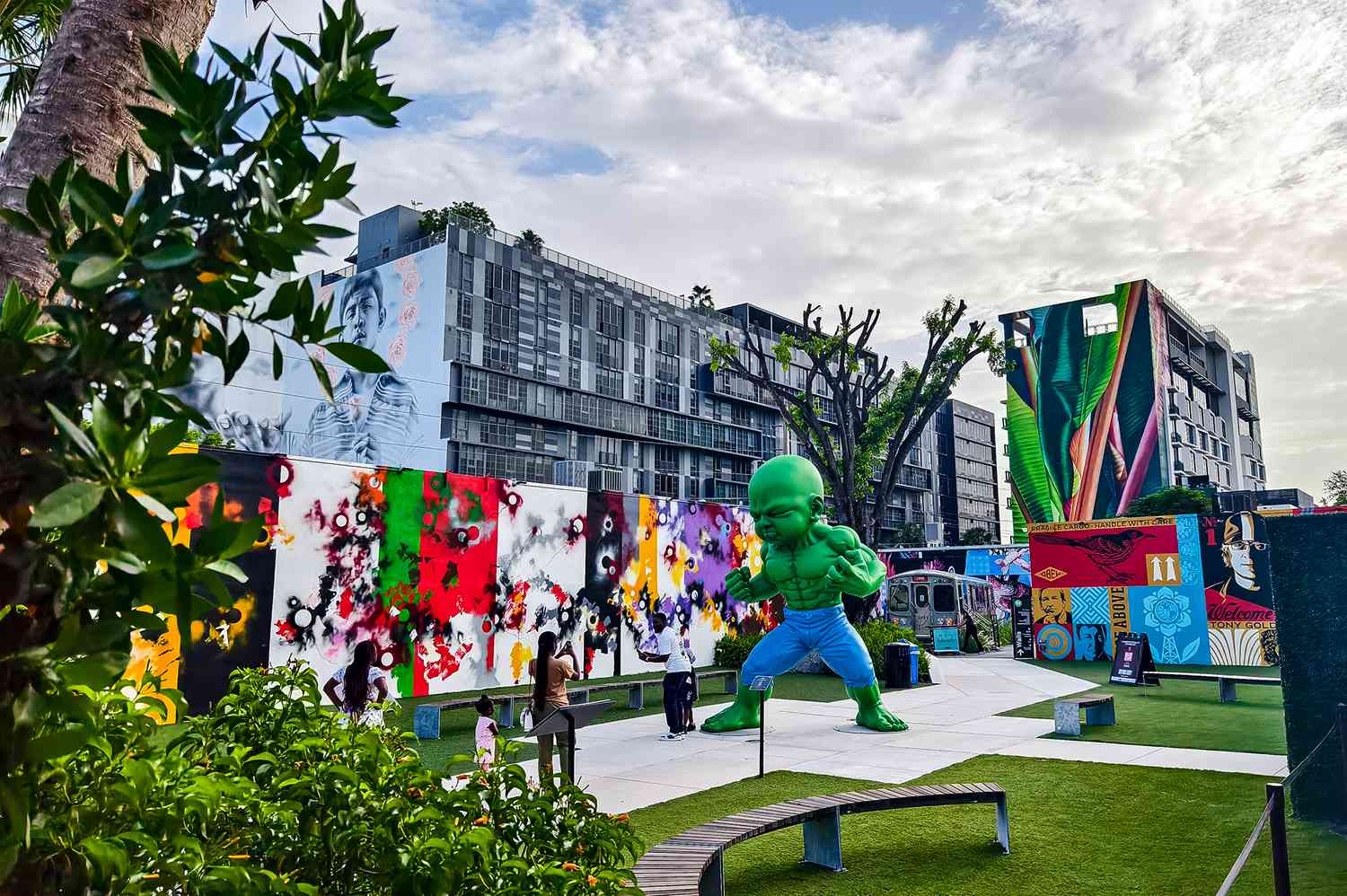
Wynwood has undergone one of Miami’s most visible transformations. Once known primarily for warehouses, garment businesses, and industrial properties, the neighborhood became an internationally recognized arts district through murals, galleries, studios, cultural events, and adaptive reuse.
Its evolution later expanded beyond art and nightlife. New apartment buildings, offices, hotels, restaurants, and retail projects have introduced greater density and a more permanent residential population. Wynwood now combines its creative identity with large-scale mixed-use development, although traces of its industrial past remain central to its visual character.
2. EDGEWATER
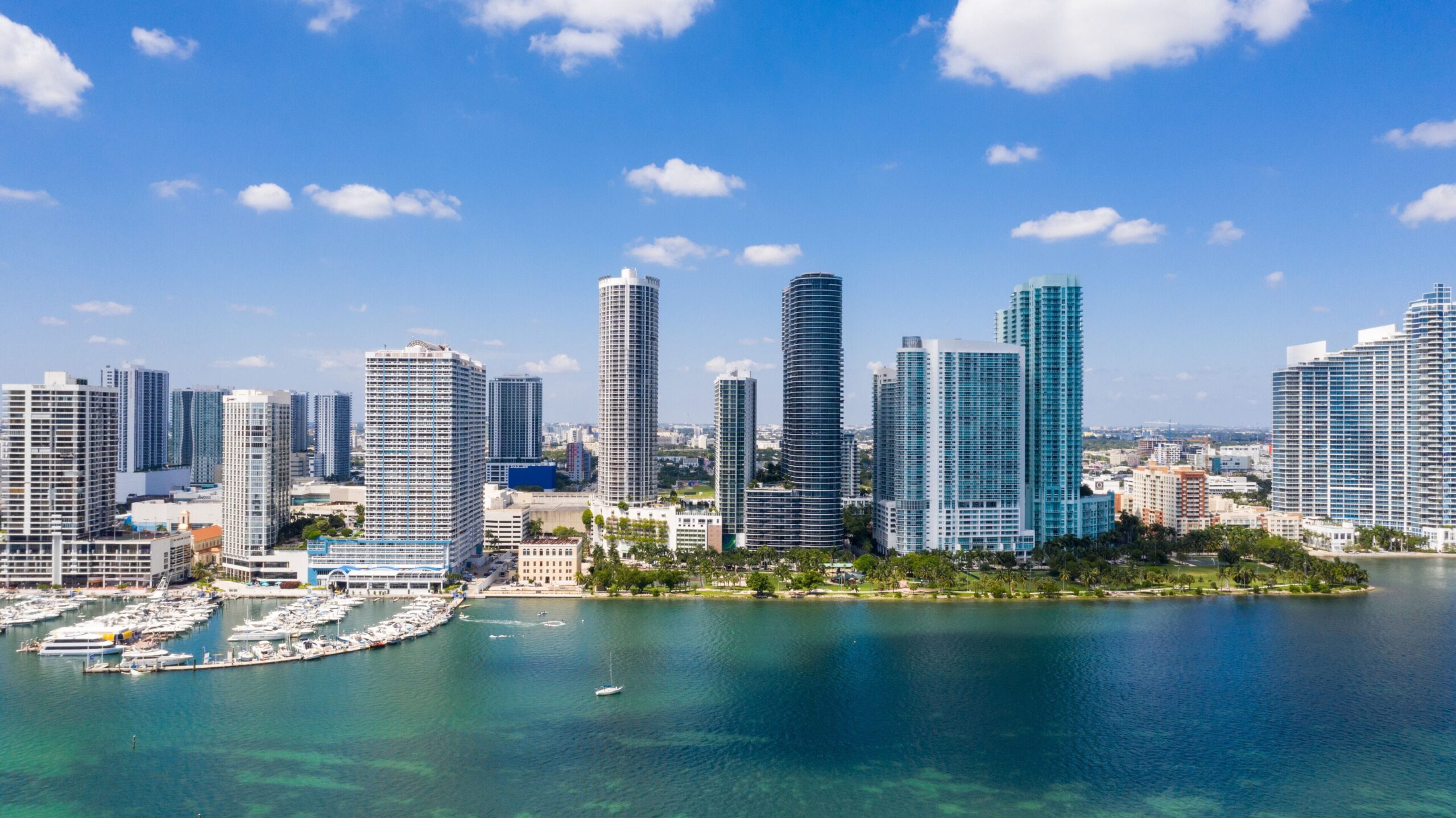
Edgewater changed from a relatively quiet collection of older apartment buildings and modest waterfront properties into one of Miami’s leading high-rise residential districts. Its location along Biscayne Bay, between Downtown Miami and the Design District, positioned it for significant luxury condominium development.
Contemporary towers have reshaped the skyline and attracted buyers seeking waterfront views without living directly in Brickell or Miami Beach. Improvements to Margaret Pace Park, nearby restaurants, and surrounding cultural districts have further strengthened Edgewater’s appeal as a full-time residential neighborhood.
3. BRICKELL
Brickell has evolved from a prestigious residential corridor into Miami’s primary financial and high-rise urban district. Historic estates and lower-density properties gradually gave way to office towers, luxury condominiums, hotels, restaurants, and major mixed-use developments.
The neighborhood’s transformation accelerated as more residents began treating Brickell as a complete lifestyle destination rather than simply a place to work. Today, walkability, dining, shopping, public transportation, and dense residential development have created an environment that resembles a major international city center.

4. DOWNTOWN MIAMI
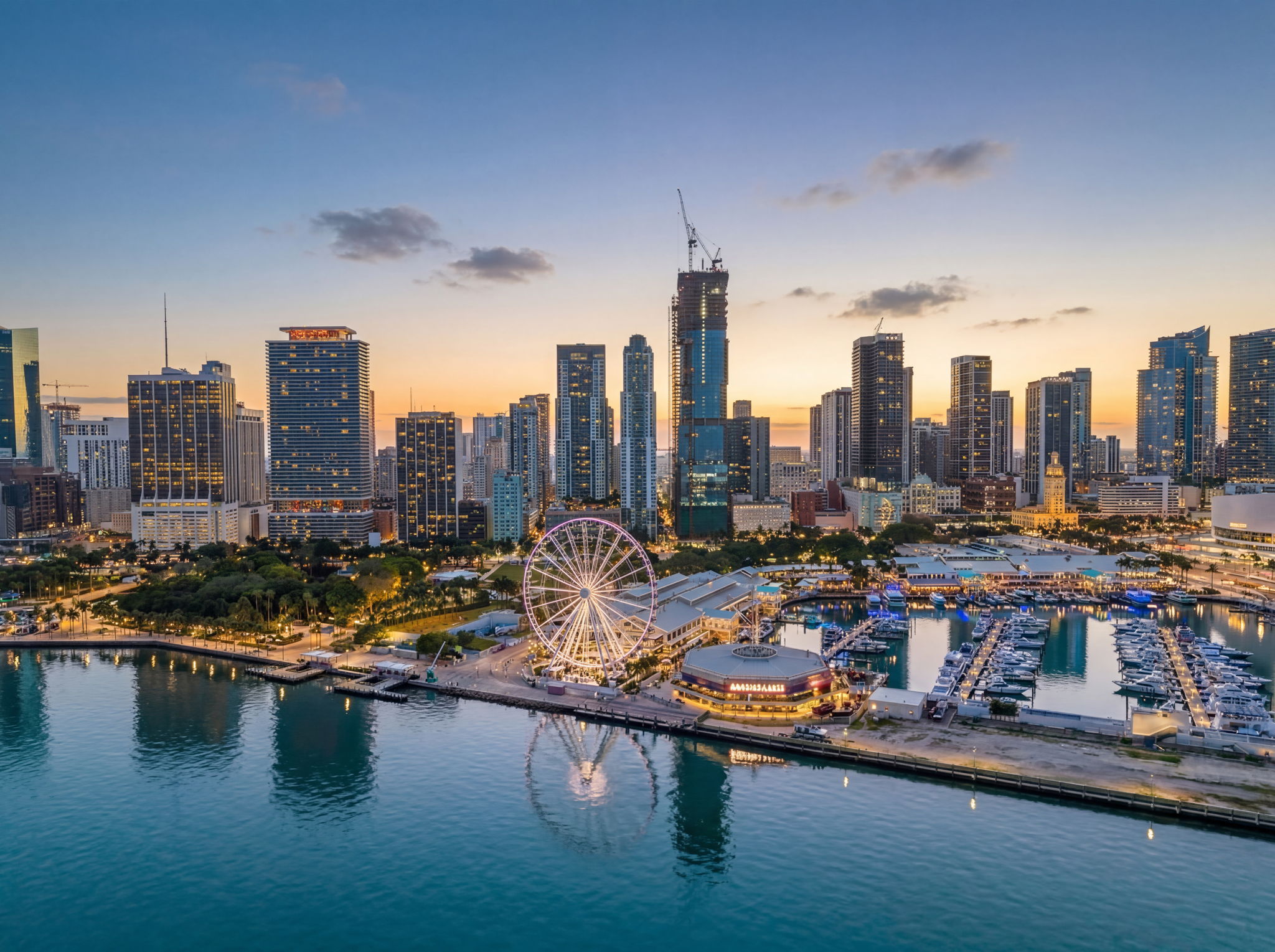
Downtown Miami has transitioned from a predominantly commercial and governmental district into a growing residential, entertainment, and cultural center. For many years, portions of Downtown became relatively quiet outside of business hours. New condominium towers and mixed-use projects have helped create a larger permanent residential population.
The development of museums, parks, entertainment venues, transit connections, and major projects along Biscayne Bay has changed how buyers perceive the area. Downtown continues to evolve, with substantial redevelopment planned around older commercial blocks, waterfront sites, and transportation corridors.
5. LITTLE RIVER
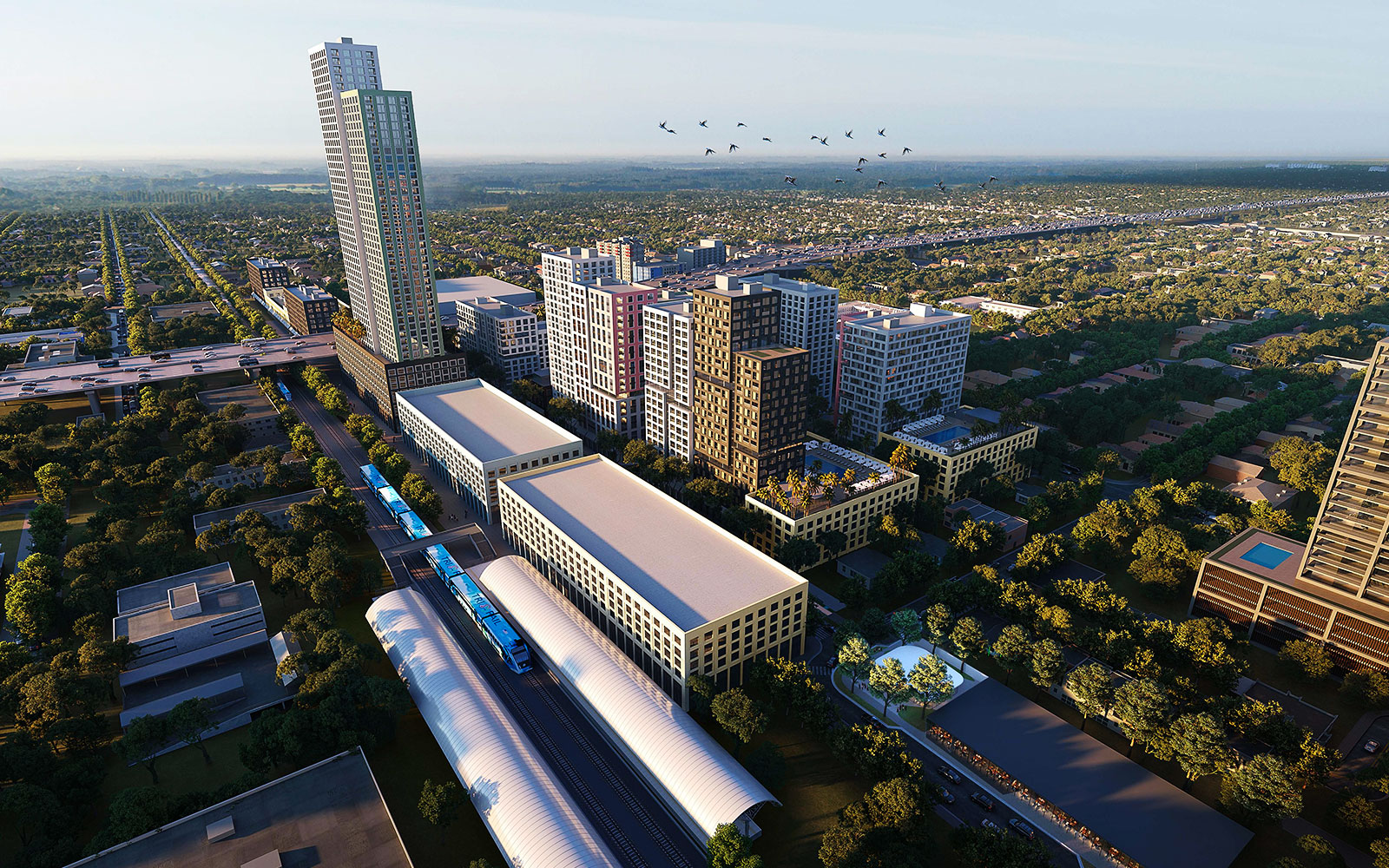
Little River has begun transforming from a largely industrial and working commercial district into an emerging center for creative businesses, restaurants, galleries, design studios, and adaptive reuse. Its warehouses and low-rise buildings have attracted entrepreneurs and developers seeking spaces unavailable or more expensive in neighborhoods such as Wynwood.
The community remains earlier in its transformation than Brickell, Edgewater, or Wynwood. New businesses and residential proposals are appearing alongside long-established local companies and neighborhoods. This mixture creates both opportunity and uncertainty for buyers considering the area.
FREQUENTLY ASKED QUESTIONS
1. Which neighborhood has experienced the most dramatic visual change?
Wynwood and Edgewater are leading examples. Wynwood changed through art, adaptive reuse, and mixed-use construction, while Edgewater was reshaped by a new skyline of waterfront residential towers.
2. Which transformed neighborhood offers the most urban lifestyle?
Brickell offers the densest combination of residences, offices, restaurants, shopping, and public transportation. Downtown Miami provides a similarly urban environment but remains more varied in its level of development from block to block.
3. Which neighborhood is still in an earlier stage of transformation?
Little River remains less fully developed than Wynwood, Brickell, or Edgewater. Its continuing evolution may create opportunities, but buyers should carefully evaluate nearby land uses, proposed projects, and development timelines.
4. Have these neighborhoods completely lost their former identities?
No. Their earlier architecture, businesses, institutions, and street patterns remain visible to varying degrees. The most successful transformations often retain recognizable elements of a neighborhood’s history while introducing new uses and residents.
BUYING IN A RAPIDLY EVOLVING MIAMI NEIGHBORHOOD
Buying in one of the most transformed neighborhoods in Miami requires careful attention to timing and location. Conditions can differ significantly from one street or building to another. A property may benefit from nearby restaurants, parks, and development while also experiencing construction noise, traffic, or an oversupply of similar residences.
Buyers should distinguish between completed improvements and future promises. Renderings and proposed developments can be encouraging, but projects may be delayed, redesigned, or never built. The strongest purchase decisions are based on the property’s current value and livability, with future transformation treated as additional potential rather than a guarantee.
Important considerations when evaluating an evolving neighborhood include:
- Long-term livability beyond investment potential
- Completed projects versus proposed developments
- Current and future construction activity
- Zoning and allowable building density
- Traffic, parking, and public transportation
- Supply of comparable homes or condominiums
- Quality and reputation of individual developers
- Association finances and building management

FREQUENTLY ASKED QUESTIONS
1. Is new construction always the best option in a transformed area?
No. New buildings may offer modern amenities and systems, but established properties can provide larger layouts, lower pricing, or stronger locations. Buyers should compare overall value rather than relying on age alone.
2. How important is the individual block?
It is extremely important. Access, noise, views, neighboring land uses, pedestrian activity, and future construction can vary considerably within the same neighborhood. Buyers should visit at different times before making a decision.
3. Should investors rely on planned development nearby?
Planned development can support an investment thesis, but it should not be the sole justification for a purchase. Buyers should confirm approvals, financing, construction progress, and the credibility of the parties involved.
4. Can an area become overdeveloped?
Yes. Excessive supply, limited infrastructure, traffic congestion, or inconsistent planning can reduce the benefits of growth. Buyers should examine how new development relates to demand and neighborhood capacity.
HOW THE OPES GROUP CAN HELP YOU BUY IN MIAMI’S TRANSFORMED NEIGHBORHOODS
Buying in one of the most transformed neighborhoods in Miami requires an understanding of both present conditions and future development. Joanna Jimenez and The Opes Group help buyers compare established buildings, new construction, neighborhood amenities, nearby projects, and property values across Miami’s rapidly changing communities.
The Opes Group also helps clients separate meaningful transformation from marketing speculation. By evaluating recent sales, development pipelines, block-by-block conditions, association records, and long-term lifestyle priorities, the team helps buyers identify properties that remain compelling even if future growth occurs more slowly than expected.
The Opes Group can assist buyers with:
- Coordinating inspections, due diligence, and closing
- Comparing Miami’s rapidly evolving neighborhoods
- Identifying established and new-construction properties
- Reviewing nearby development and zoning activity
- Evaluating building quality and developer reputation
- Analyzing recent sales and competing inventory
- Assessing block-specific traffic, views, and surroundings
- Structuring and negotiating a competitive offer

SELL YOUR HOME WITH THE OPES GROUP
BUY WITH THE OPES GROUP
Buying with The Opes Group means having a team of experts guiding you from the first consultation to closing day. Clients benefit from hyper-local market insights, strategic recommendations, and access to both on-market and off-market opportunities. With trusted vendors and a dedicated transaction team, buyers enjoy a smooth, stress-free process all the way to the celebration of their new home.