

IN THIS ARTICLE
- The best coastal neighborhoods for beaches, boating, and waterfront living
- The best urban neighborhoods for walkability, restaurants, high-rises, and city life
- The best suburban-style neighborhoods for space, privacy, families, and single-family homes
MARKET SNAPSHOT: MIAMI REAL ESTATE HEADING INTO 2027
Miami is not one real estate market. A condo buyer in Brickell, a waterfront-home buyer on the Venetian Islands, and a family searching for an estate in Pinecrest can experience completely different inventory, pricing, competition, and negotiation conditions.
As of September 2026, the City of Miami had a median listing price of approximately $620,000, a median sold price of $564,000, and roughly 10,000 active listings. Homes spent a median of 84 days on the market, while properties sold for approximately 97% of asking price on average.
Realtor.com classified the overall city as a buyer’s market during the period.
Miami-Dade County overall showed a median asking price of approximately $589,000, a median sold price just under $550,000, and 88 median days on market.
COASTAL MIAMI: KEY BISCAYNE, MIAMI BEACH, AND THE VENETIAN ISLANDS
For buyers who picture Miami life around beaches, Biscayne Bay, boating, water views, and outdoor recreation, the coastal communities are an obvious starting point.
Yet even within this category, the experience changes dramatically. Key Biscayne functions as a self-contained island town. Miami Beach combines resort energy, residential neighborhoods, high-rise condominiums, and single-family homes. The Venetian Islands offer a much smaller and more residential waterfront environment between Miami Beach and the mainland.
Buyers comparing these areas should also review The Opes Group guide to the best waterfront neighborhoods in Miami, since waterfront lifestyle and island geography frequently overlap.


1. KEY BISCAYNE — BEACHES, FAMILY LIFE, AND A COMPLETE ISLAND COMMUNITY
Key Biscayne is one of Miami’s strongest choices for buyers who want coastal living without sacrificing the feeling of a complete residential community.
The island combines condominiums, townhomes, single-family houses, and major waterfront estates with beaches, parks, schools, restaurants, boating, tennis, cycling, and extensive outdoor recreation. Crandon Park occupies the northern portion of the island, while Bill Baggs Cape Florida State Park anchors the southern end. That combination makes Key Biscayne distinctly different from smaller Miami islands built primarily around private estates.
Key Biscayne may be a strong fit if you want:
- Island living without complete isolation
- Beaches integrated into everyday life
- A full-time residential community
- Parks and extensive outdoor recreation
- Boating and water access
- A family-oriented environment
- Relative proximity to Brickell

2. MIAMI BEACH — THE BROADEST VERSION OF COASTAL MIAMI
Miami Beach offers more variety than almost any other coastal market in South Florida. South Beach provides density, restaurants, nightlife, historic Art Deco architecture, and extensive walkability. Mid-Beach becomes more residential and resort-oriented. North Beach offers another environment entirely, with a somewhat quieter character and its own mix of condominiums and residential streets.
The citywide median asking price was approximately $639,500 in September 2026, but the figure is heavily influenced by condominium inventory. South Pointe alone carried a median listing price of approximately $1.385 million, while individual waterfront homes can trade at dramatically higher levels. Miami Beach may be a strong fit if you want:
- Immediate beach access
- Walkability and restaurants
- High-rise and boutique condominium options
- Historic architecture
- A wide variety of neighborhood environments
- Nightlife and cultural activity
- Luxury single-family enclaves

3. VENETIAN ISLANDS — WATERFRONT HOMES BETWEEN THE CITY AND THE BEACH
The Venetian Islands offer one of Miami’s most distinctive compromises between privacy and urban access. Stretching along the Venetian Causeway between mainland Miami and Miami Beach, the chain includes Biscayne Island, San Marco Island, San Marino Island, Di Lido Island, Rivo Alto Island, and Belle Isle.
Unlike Key Biscayne, these islands do not function as an independent town. Unlike central Miami Beach, they are primarily residential and considerably lower-density.
The result is a market that can appeal to buyers who want a single-family waterfront home while remaining close to Miami Beach, Edgewater, Downtown Miami, the Design District, and other central neighborhoods. The Venetian Islands may be a strong fit if you want:
- Scarce waterfront land
- Single-family waterfront living
- Private docks and boating opportunities
- Low-rise residential surroundings
- Fast access to Miami Beach
- Fast access to central Miami
- Contemporary luxury homes
FREQUENTLY ASKED QUESTIONS
1. Which coastal Miami neighborhood is best for families?
Key Biscayne is particularly attractive to many family buyers because it combines beaches and recreation with schools, parks, residential streets, condominiums, and single-family homes.
2. Which is better for nightlife: Miami Beach or Key Biscayne?
Miami Beach. Key Biscayne has a quieter, more residential atmosphere, while Miami Beach offers substantially more restaurants, nightlife, hospitality, and entertainment.
3. Are the Venetian Islands only for waterfront buyers?
No. Some interior and condominium opportunities exist, particularly around Belle Isle, although waterfront single-family residences define much of the luxury appeal.
4. Which coastal area is closest to Brickell?
Key Biscayne and the western portions of the Venetian Islands can both provide relatively convenient access, depending on traffic and the exact property. Buyers should evaluate real-world commute times rather than distance alone.
URBAN MIAMI: BRICKELL, WYNWOOD, AND EDGEWATER
For buyers who want restaurants downstairs, high-rise living, cultural activity, shorter trips to employment centers, and a more walkable daily routine, Miami’s urban neighborhoods offer a completely different lifestyle.
Our guide to the best urban neighborhoods in Miami identifies Brickell and Edgewater among the strongest high-rise markets while also recognizing Wynwood as a distinct culture- and entertainment-driven alternative.
These areas tend to be dominated by condominiums rather than detached homes, so buyers should pay close attention to association finances, reserves, assessments, building age, insurance, amenities, new-construction competition, and monthly ownership costs.
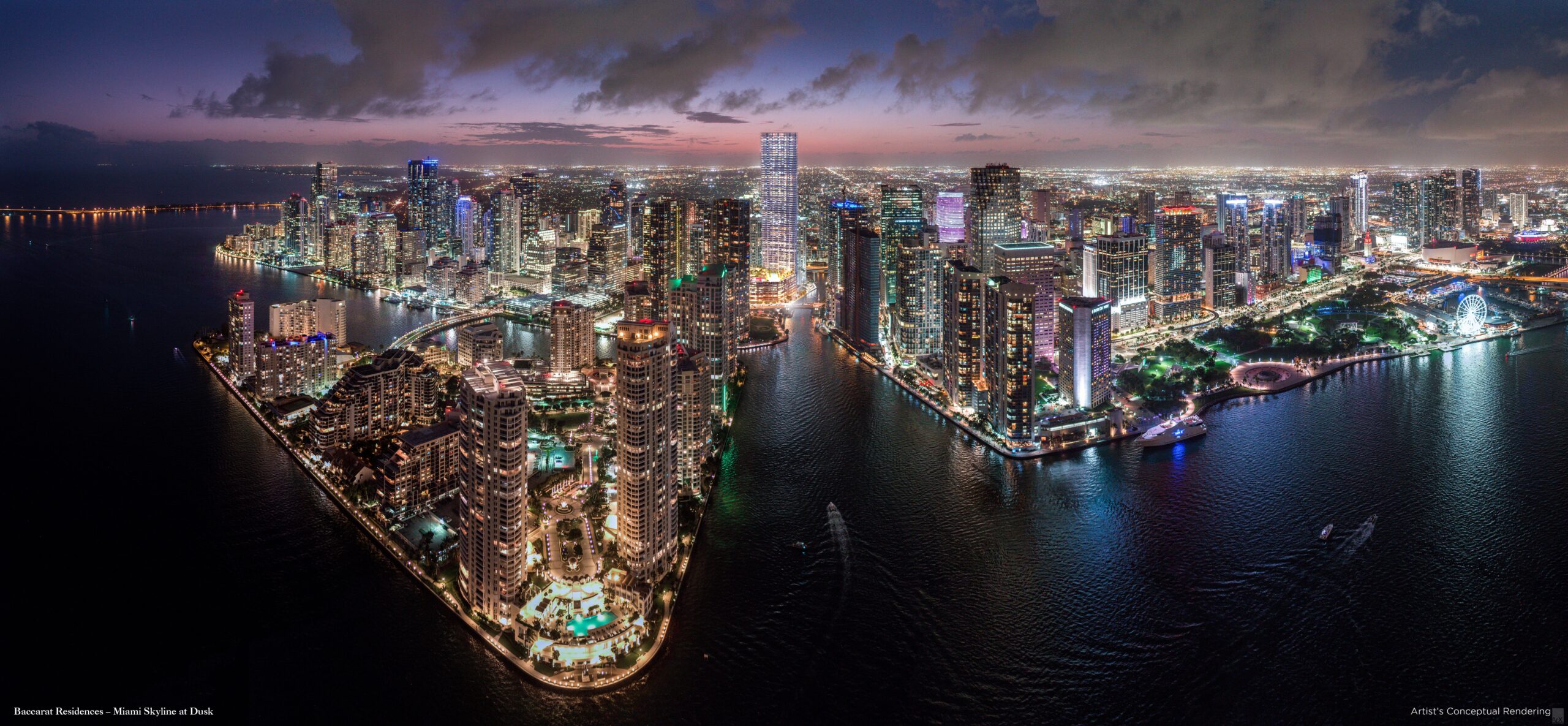

BRICKELL — MIAMI’S MOST COMPLETE HIGH-RISE URBAN LIFESTYLE
Brickell is the obvious starting point for many buyers who want the most concentrated version of city living in Miami. The neighborhood combines condominium towers, offices, restaurants, hotels, Brickell City Centre, waterfront buildings, transit, fitness, nightlife, and a large professional population within a relatively compact district.
Those numbers also illustrate one of Brickell’s defining characteristics: buyers have a large inventory of buildings to compare. A newer luxury tower and an older waterfront condominium may exist only blocks apart but have dramatically different monthly costs, amenities, layouts, reserves, and long-term positioning. Brickell may be a strong fit if you want:
- High-rise condominium living
- Walkability
- Restaurants and nightlife
- Access to major employers
- Transit options
- New luxury development
- A highly international population
- A true city-center lifestyle
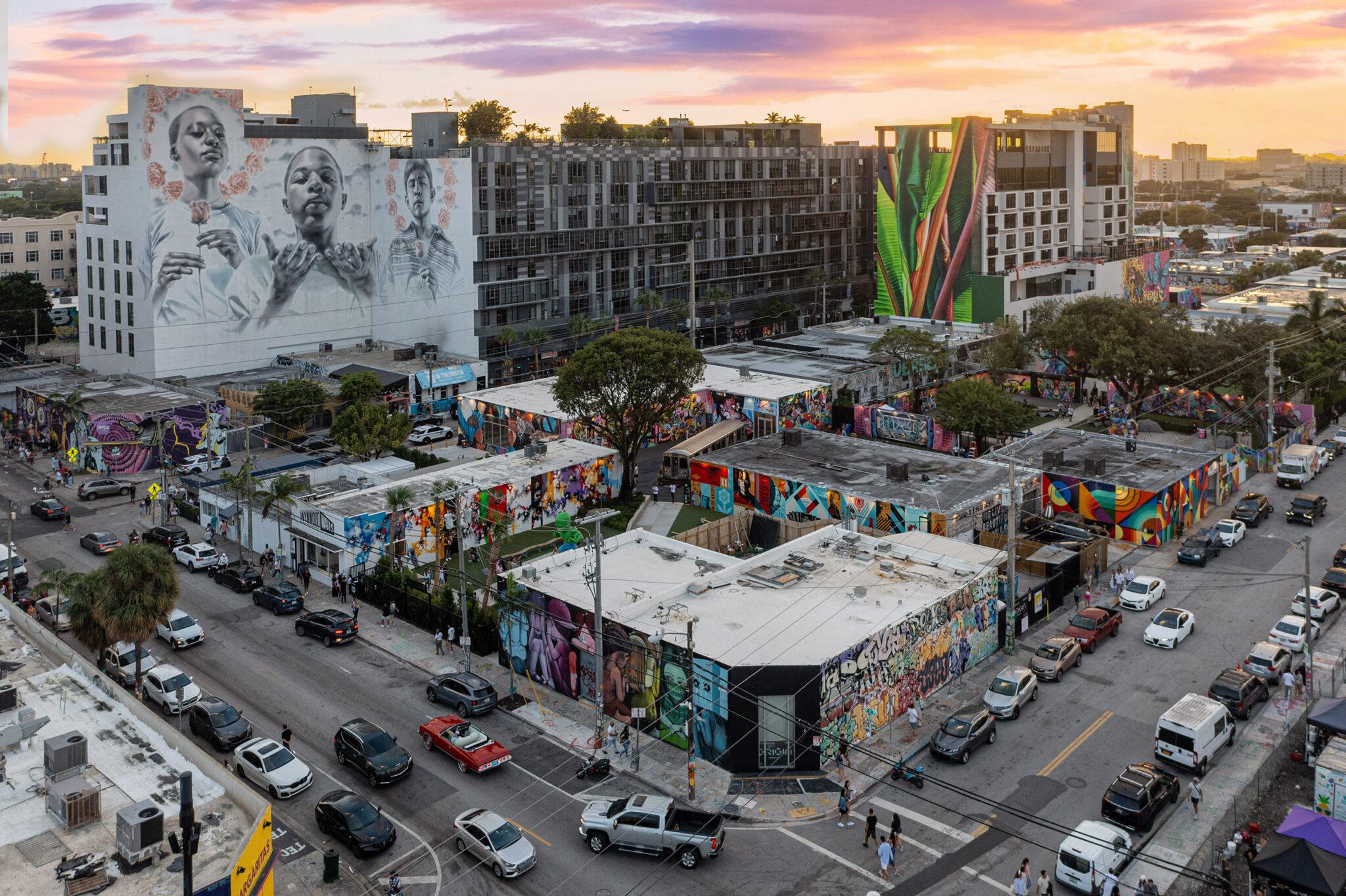
WYNWOOD — CULTURE, RESTAURANTS, AND A RAPIDLY EVOLVING RESIDENTIAL MARKET
Wynwood offers perhaps the most distinctive urban atmosphere on this list. Historically known for warehouses, galleries, murals, creative businesses, restaurants, nightlife, and the Wynwood Walls, the district has increasingly become residential as new apartment and condominium development has entered the neighborhood.
That makes Wynwood very different from Brickell. It does not yet provide the same depth of mature condominium inventory or traditional residential infrastructure. Instead, the appeal is culture, energy, walkability, dining, nightlife, and proximity to the Design District, Midtown, Downtown, and Edgewater.
The Opes Group includes Wynwood within its broader comparison of Miami’s urban neighborhoods because it serves a buyer who values activity and neighborhood identity as much as the residence itself. Wynwood may be a strong fit if you want:
- An evolving neighborhood rather than an established residential district
- Art and cultural activity
- Restaurants, bars, and nightlife
- Newer residential development
- Proximity to Midtown and the Design District
- A creative and less corporate atmosphere
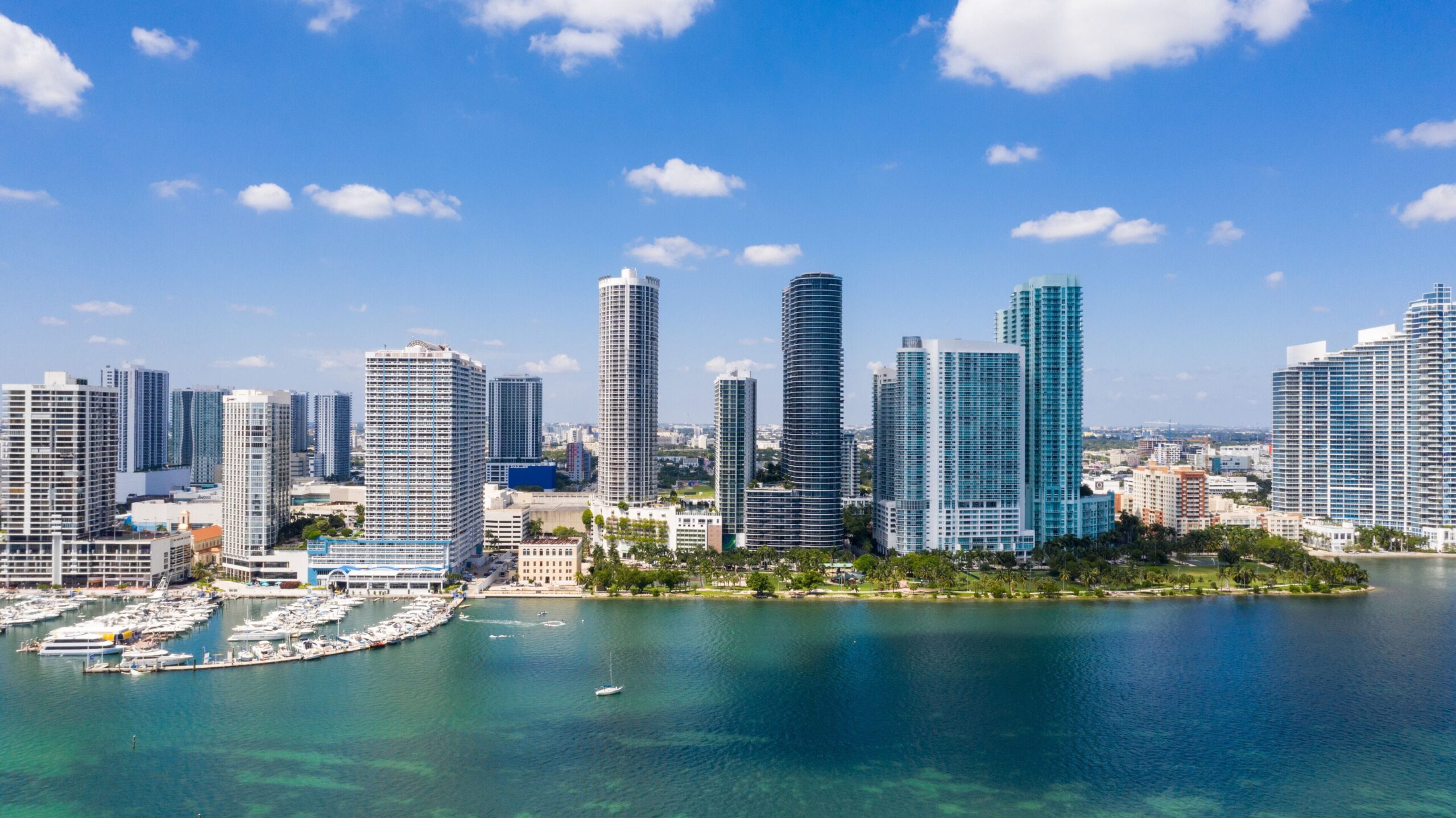
EDGEWATER — BAYFRONT HIGH-RISE LIVING WITH A MORE RESIDENTIAL FEEL
Edgewater is one of the strongest choices for buyers who want a modern condominium lifestyle but find Brickell too dense.
The neighborhood runs along Biscayne Bay just north of Downtown Miami, placing residents near Wynwood, Midtown, the Design District, Miami Beach, and the central business districts while retaining a quieter residential character along much of the waterfront.
Edgewater’s September 2026 median asking price was approximately $730,000, with 504 active listings and median days on market of 107.
Luxury towers, water views, Margaret Pace Park, and central location drive much of the appeal. At the same time, buyers should compare new and older buildings carefully because construction age, association costs, views, amenities, and future development can all materially affect value. Edgewater may be a strong fit if you want:
- Central location without the full intensity of the financial district
- Biscayne Bay views
- Luxury condominium living
- A somewhat quieter environment than Brickell
- Access to waterfront parks
- Proximity to Wynwood and the Design District
- Quick access to Downtown Miami
- Newer residential towers
FREQUENTLY ASKED QUESTIONS
1. Which Miami neighborhood is best for a true urban lifestyle?
Brickell generally offers the most complete combination of high-rise housing, offices, dining, nightlife, shopping, transit, and walkability.
2. Is Wynwood mostly residential?
No. Wynwood remains heavily mixed-use and entertainment-oriented, although substantial new residential development has expanded the number of people who can live directly in the district.
3. Is Edgewater quieter than Brickell?
Generally, yes. Edgewater is still an urban high-rise neighborhood, but much of it feels more residential and waterfront-oriented than the center of Brickell.
4. Which of these areas is best for buyers who want a house instead of a condo?
None is primarily a single-family-home market. Buyers who want detached homes should usually expand the search toward Coconut Grove, Coral Gables, Pinecrest, Miami Shores, or other residential communities.
SUBURBAN-STYLE MIAMI: PINECREST, CORAL GABLES, AND COCONUT GROVE
For buyers who want more privacy, single-family homes, yards, mature landscaping, schools, and quieter residential streets, the search shifts south and southwest.
Pinecrest is the most conventionally suburban of these three. Coral Gables is an independent city that combines suburban-style residential districts with its own downtown. Coconut Grove is technically a neighborhood within the City of Miami, but many of its single-family sections offer the privacy, greenery, schools, and family-oriented lifestyle buyers associate with suburban living.
Together, they represent three of the most important choices for high-end buyers moving from dense urban Miami into larger homes. The Opes Group has tracked this shift in its analysis of where Miami families are moving.
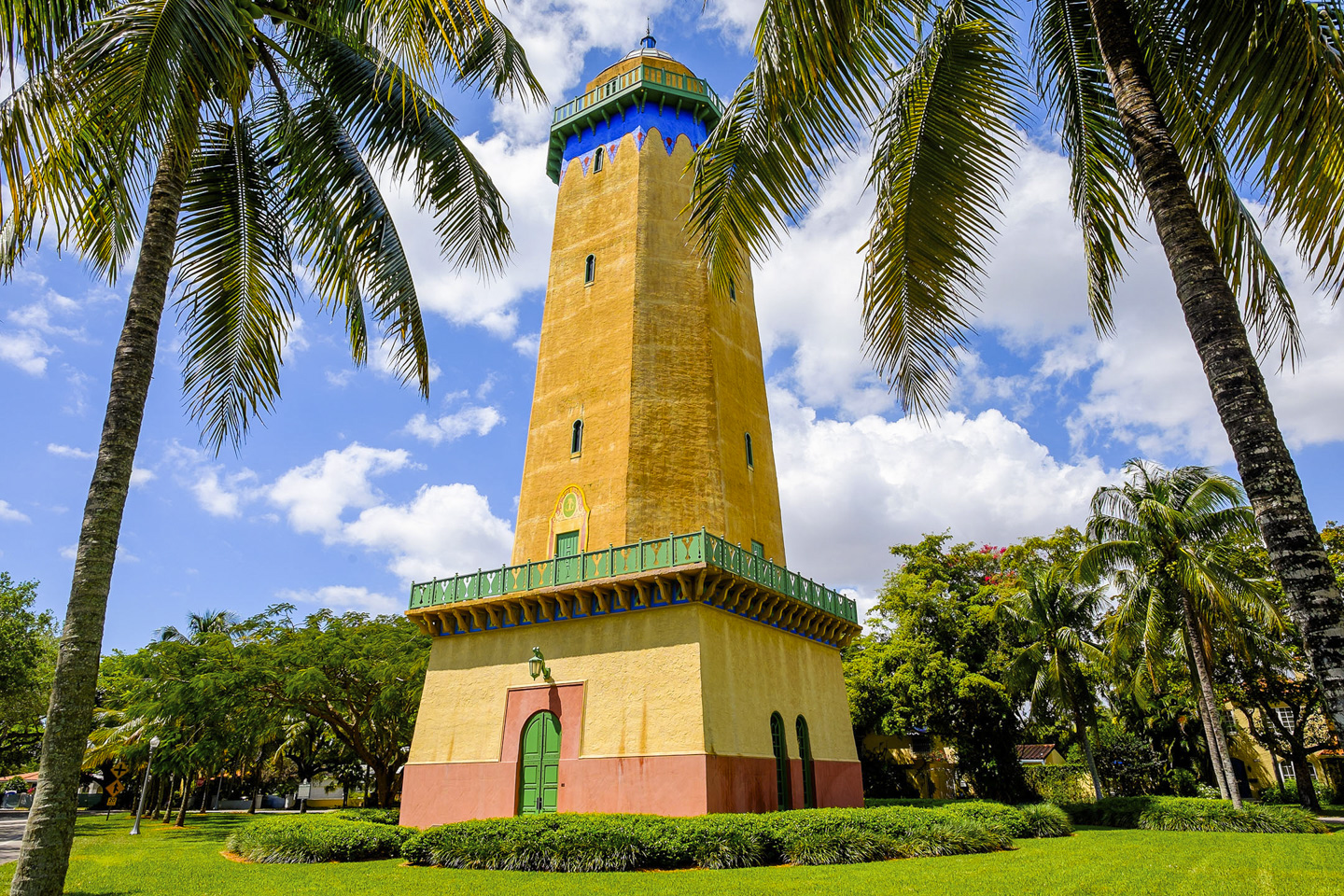

PINECREST — SPACE, PRIVACY, AND LARGE-LOT LIVING
For buyers whose priorities begin with land and privacy, Pinecrest is difficult to replicate. The village is characterized by large residential lots, extensive tree canopy, single-family estates, pools, gardens, schools, and relatively low residential density. High-rise and dense mixed-use development are largely absent from the lifestyle.
The Opes Group Pinecrest neighborhood guide describes a market built around spacious homes, larger lots, greenery, schools, and long-term single-family ownership.
Pinecrest has also become increasingly important at the luxury end as older properties are renovated or replaced with larger modern estates. The Opes Group has highlighted land scarcity and new construction as important forces in the area’s long-term market. Pinecrest may be a strong fit if you want:
- Long-term single-family ownership
- Large lots
- Maximum residential privacy
- Estate-style homes
- Pools and significant outdoor space
- Strong access to public and private schools
- A quieter suburban environment
- Luxury new construction

CORAL GABLES — HISTORIC CHARACTER WITH URBAN CONVENIENCE
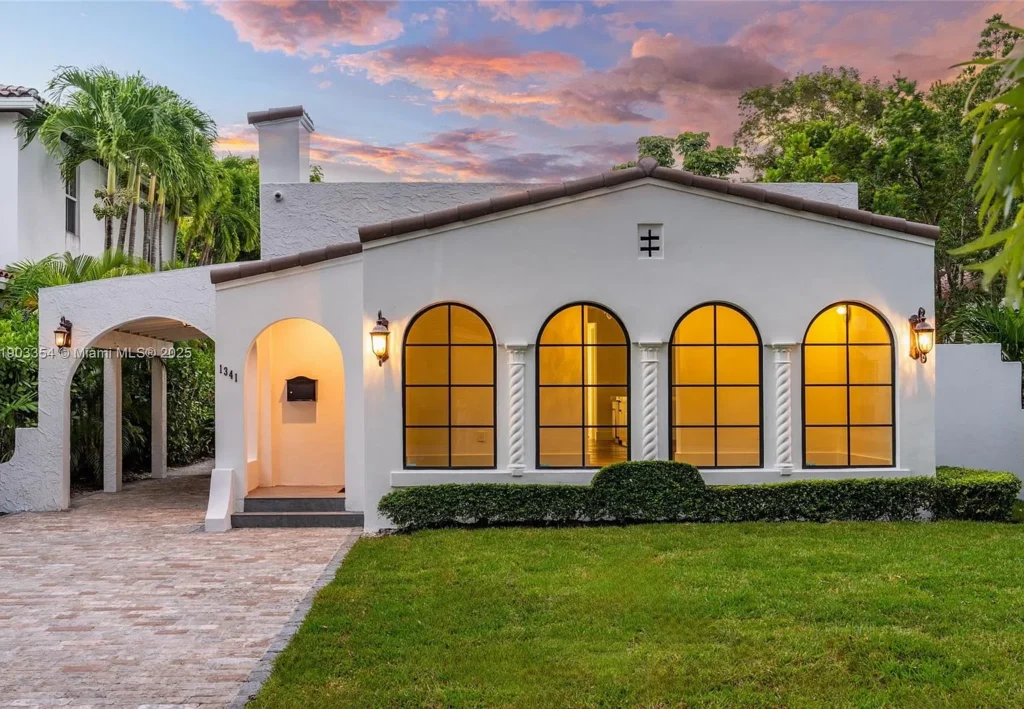
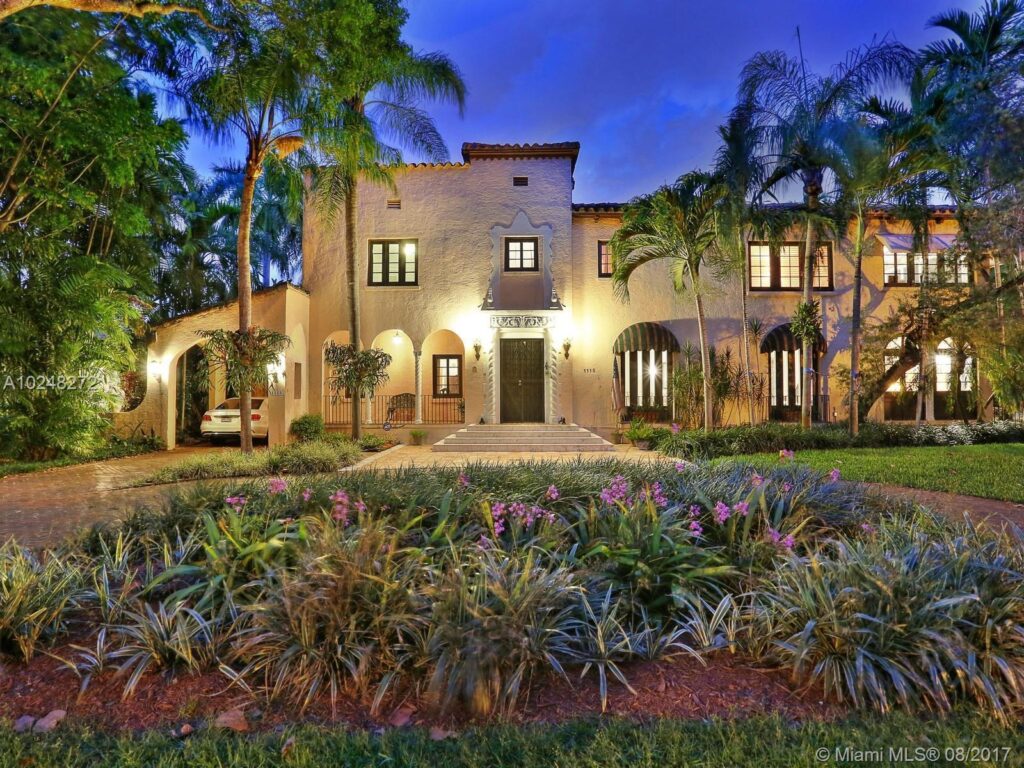
Coral Gables offers a more polished and architecturally controlled residential environment. The city is known for Mediterranean and Old Spanish architecture, mature tree-lined streets, golf, historic landmarks, Miracle Mile, restaurants, cultural amenities, waterfront enclaves, and a wide variety of housing.
The Coral Gables neighborhood guide describes the city as a combination of architectural heritage, prestige, residential tranquility, and commercial convenience.
This breadth is one of Coral Gables’ biggest strengths. A buyer can pursue a historic house near the urban core, a golf-course residence, contemporary new construction, or a major gated waterfront estate without leaving the same municipality. Coral Gables may be a strong fit if you want:
- A larger variety of residential settings
- Historic architecture
- Tree-lined residential streets
- A traditional community identity
- Walkable dining and retail districts
- Golf and recreational amenities
- Waterfront and gated options
- Single-family homes with central-Miami convenience
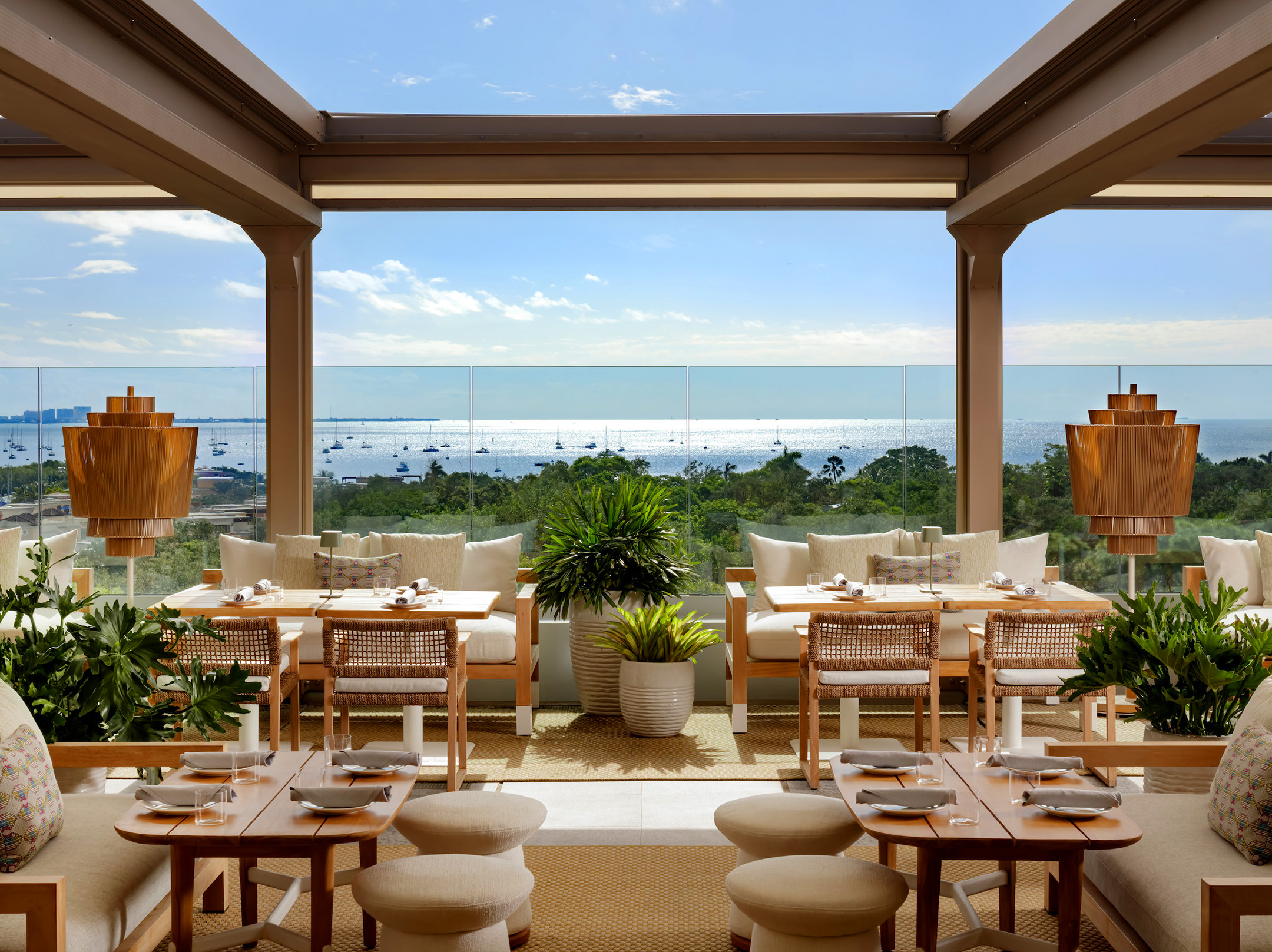
COCONUT GROVE — VILLAGE LIVING WITH TROPICAL CHARACTER
Coconut Grove occupies the middle ground between Miami’s urban and suburban lifestyles. The Grove offers restaurants, shops, parks, marinas, schools, and walkability, but much of its single-family housing sits along lush residential streets with mature vegetation and a distinctly neighborhood-oriented atmosphere.
The Coconut Grove neighborhood guide emphasizes this combination of tropical character, bay access, historic homes, modern residences, and village life.
The market is exceptionally varied. Buyers can encounter older cottages, renovated homes, contemporary new construction, gated enclaves, waterfront properties, townhomes, and some of Miami’s most expensive new condominium projects.
That variety has also made West Coconut Grove one of the areas The Opes Group identified within its discussion of the fastest-growing Miami neighborhoods. Coconut Grove may be a strong fit if you want:
- A more relaxed atmosphere than Coral Gables
- Single-family living without giving up walkability
- Tropical landscaping and mature trees
- Parks and outdoor recreation
- Marinas and Biscayne Bay access
- Restaurants and neighborhood activity
- Historic and contemporary architecture
WORK WITH THE OPES GROUP TO FIND THE RIGHT MIAMI NEIGHBORHOOD
The Opes Group helps buyers approach that decision at the neighborhood and property level. Buyers can begin with the team’s Miami home-buying resources while using the broader Opes Group neighborhood directory to compare communities throughout Miami-Dade.
The team is led by Miami Realtor Joanna Jimenez, whose background and approach are detailed further in the Joanna Jimenez leadership profile.
Buyers deciding how they want to be represented can also compare a Miami real estate team with an individual agent and review The Opes Group guide to the best Miami Realtors. The Opes Group can help buyers compare:
- Coastal, urban, and suburban Miami lifestyles
- Individual neighborhoods and micro-markets
- Condominiums versus single-family homes
- Schools and commute considerations
- Lot size and outdoor space
- Building and association costs
- Insurance and flood considerations
- Current inventory and comparable sales
- On-market and privately marketed opportunities
- Offer and negotiation strategy
- Inspections, due diligence, and closing

EXPLORE MORE
MIAMI NEIGHBORHOODS




SELL YOUR HOME WITH THE OPES GROUP
BUY WITH THE OPES GROUP
Buying with The Opes Group means having a team of experts guiding you from the first consultation to closing day. Clients benefit from hyper-local market insights, strategic recommendations, and access to both on-market and off-market opportunities. With trusted vendors and a dedicated transaction team, buyers enjoy a smooth, stress-free process all the way to the celebration of their new home.