

IN THIS ARTICLE
- What makes Coconut Grove bungalow homes distinctive
- What buyers should inspect before purchasing an older Grove home
- How to evaluate renovation potential, location, and long-term value
WHAT MAKES COCONUT GROVE BUNGALOW HOMES DIFFERENT?
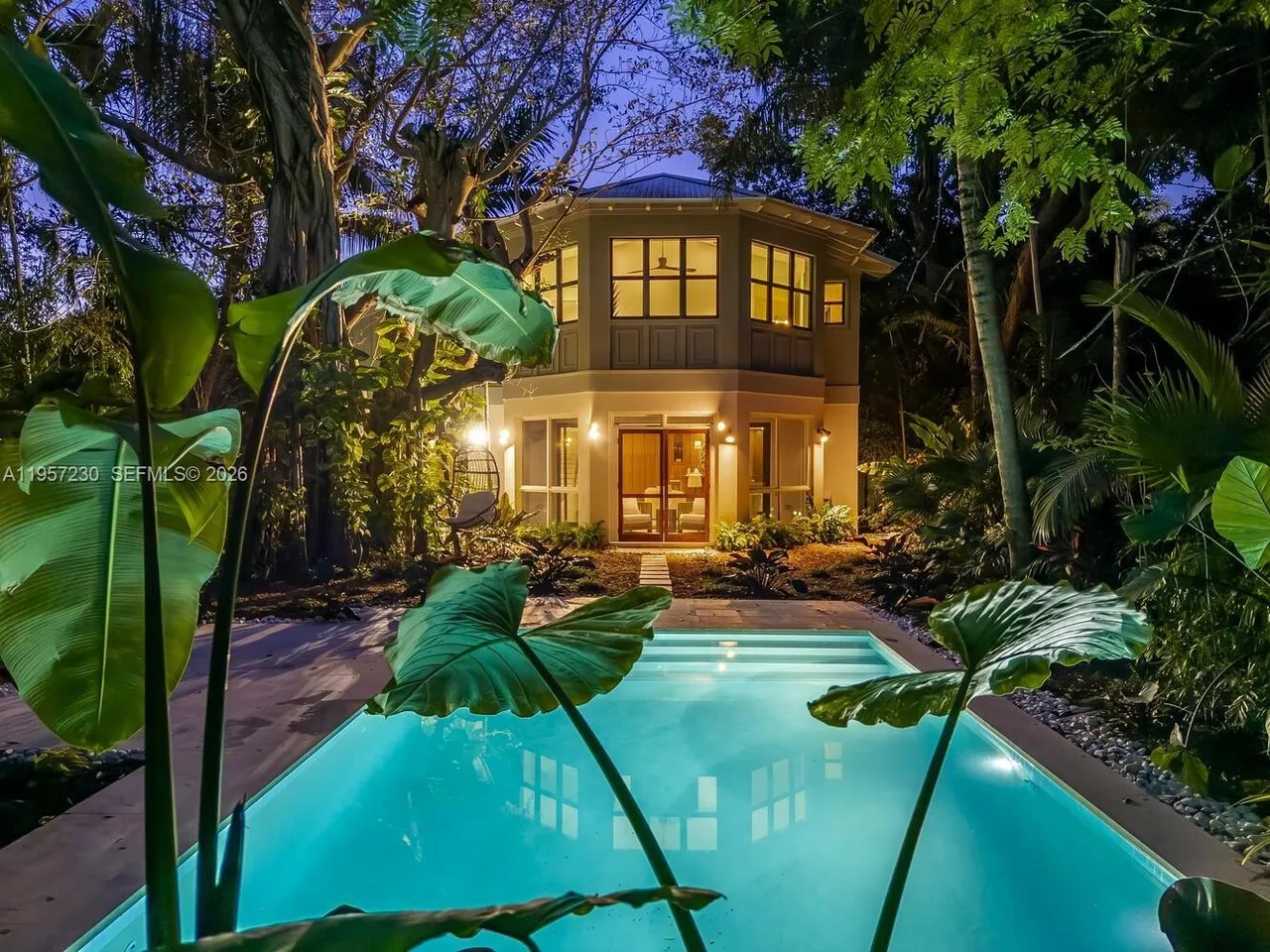
Coconut Grove is one of the few Miami neighborhoods where early-20th-century architecture still sits alongside contemporary luxury homes, townhouses, condominiums, and waterfront estates. Among its most distinctive properties are older bungalow-style homes, which often combine smaller-scale architecture with mature landscaping, deep porches, broad rooflines, and an established neighborhood setting.
In Coconut Grove, these homes form part of a broader architectural mix that also includes frame vernacular cottages, Bahamian- and Caribbean-influenced homes, Mediterranean residences, mid-century properties, and modern new construction. Buyers are often drawn to Grove bungalows because they can offer qualities that are difficult to reproduce in a new home:
- Mature tropical landscaping
- Established tree canopy
- Front porches and indoor-outdoor living
- Smaller-scale residential streets
- Distinctive architectural character
- Proximity to parks, marinas, restaurants, and the Grove village
- Opportunities to renovate without losing the identity of the original home
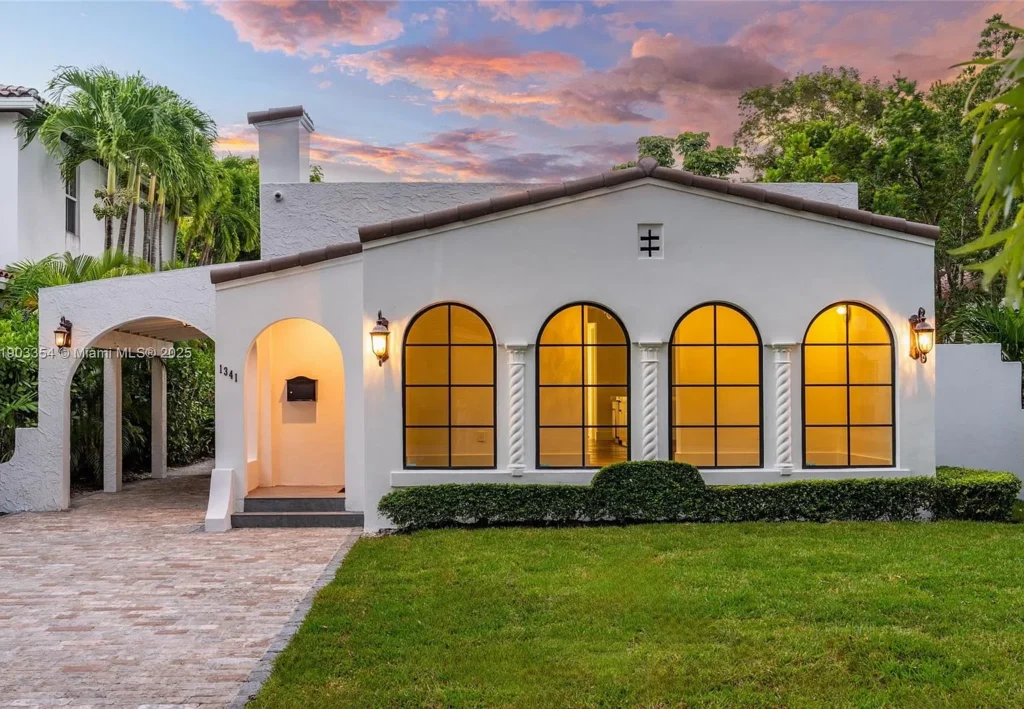
Buyers who like older Miami architecture may also want to compare the Grove with Old Spanish homes in Coral Gables.
WHAT BUYERS SHOULD INSPECT BEFORE PURCHASING AN OLDER GROVE HOME
A Coconut Grove bungalow can be visually appealing while still requiring substantial work behind the walls. That makes due diligence especially important, because the condition of the major systems can matter far more than cosmetic finishes. Before purchasing an older Grove property, buyers should evaluate:
- Roof age and condition
- Electrical panel and wiring
- Plumbing and supply lines
- Foundation or structural movement
- Moisture intrusion and drainage
- Termite or wood-destroying organism history
- Windows and doors
- HVAC systems
- Sewer or septic history where applicable
- Previous additions and renovations
- Permit history and open permits
The Opes Group’s guide to what buyers should look for during a Miami home inspection provides a broader checklist for evaluating South Florida homes. For buyers considering an older home because they eventually want to expand or substantially renovate it, the key questions are:
- What is the condition of the existing structure?
- What improvements have already been permitted?
- What can legally be changed?
- What can realistically be built on the lot?
- Will the renovation still make financial sense after the purchase price?

HOW TO EVALUATE RENOVATION POTENTIAL, LOCATION, AND LONG-TERM VALUE
The value of a Coconut Grove bungalow is rarely determined by square footage alone. Two similarly sized homes can have very different appeal depending on the street, lot, tree canopy, architecture, condition, renovation quality, and future development potential.
Buyers should first determine whether the home works in its current form. Older properties may have smaller bedrooms, closets, kitchens, or more compartmentalized floor plans than newer construction, so a charming exterior does not automatically mean the interior will fit a buyer’s lifestyle. Important factors include:
- Bedroom and bathroom count
- Ceiling heights and natural light
- Kitchen placement
- Storage
- Primary-suite configuration
- Indoor-outdoor flow
- Yard usability
- Pool potential
- Overall renovation scope
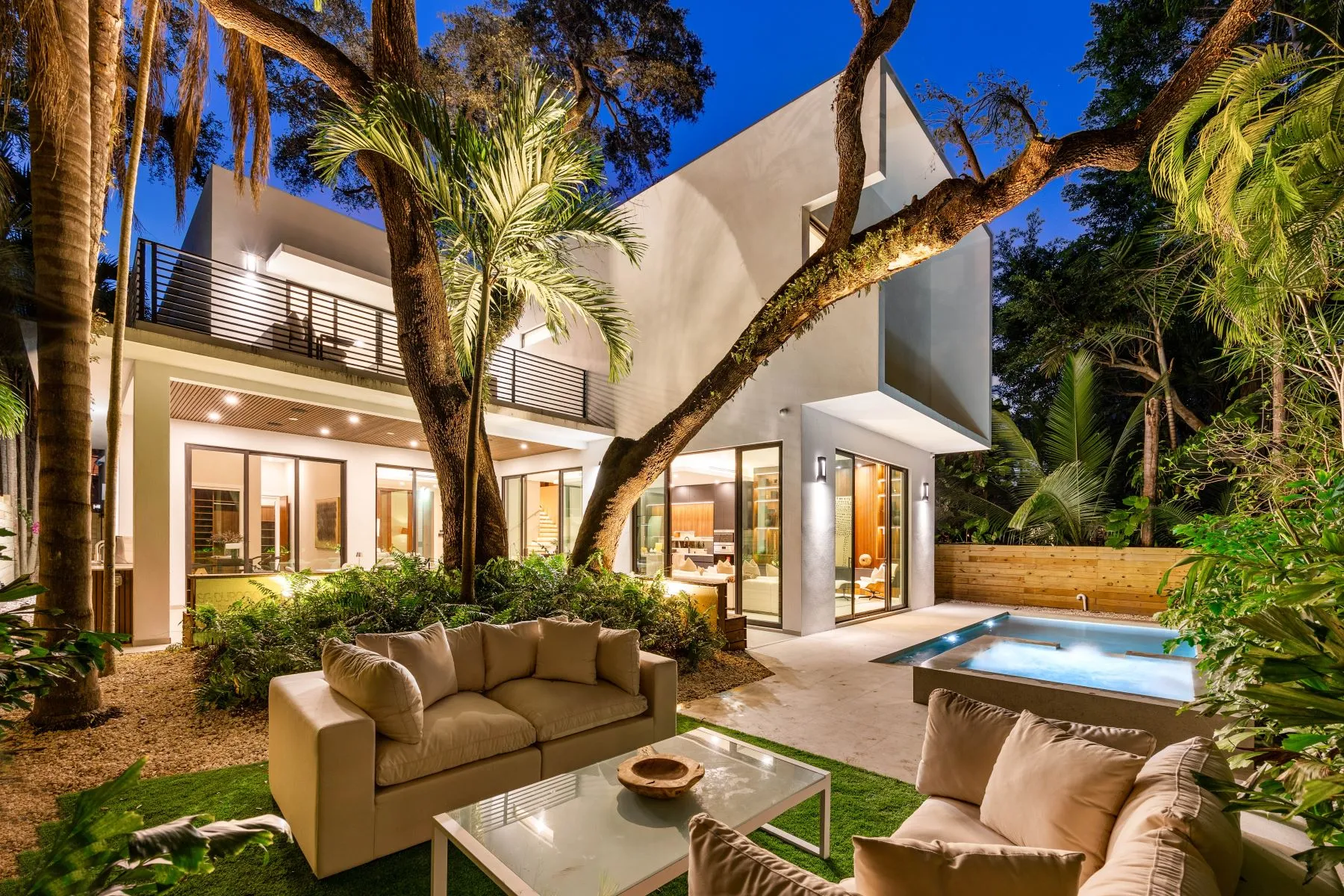
New construction can provide larger layouts, contemporary systems, and fewer immediate maintenance concerns. A bungalow offers something different: architecture, landscaping, and neighborhood character that have developed over decades. Neither is automatically the better investment. The better purchase is the property where condition, lot value, renovation needs, location, and purchase price make sense together.
Buyers comparing the Grove more broadly can review The Opes Group’s Coconut Grove neighborhood guide and its comparison of Coconut Grove vs. Coral Gables.
FREQUENTLY ASKED QUESTIONS
1. What is a Coconut Grove bungalow home?
The term generally refers to smaller, older homes influenced by early-20th-century bungalow architecture. Traditional South Florida examples often include broad rooflines, deep porches, large windows, and architecture designed around the local climate.
2. Are Coconut Grove bungalow homes historic?
Some are historically significant or located within areas subject to preservation or conservation rules, but an older home is not automatically historically designated. Buyers should verify the status of the specific property.
3. Can you renovate or expand a bungalow in Coconut Grove?
Often, yes, but what is possible depends on zoning, setbacks, tree protection, conservation rules, historic status, lot characteristics, and the existing structure. Buyers planning major work should investigate those issues before purchasing.
4. Are older Coconut Grove homes harder to insure?
Insurance can depend heavily on roof age, electrical and plumbing systems, wind mitigation, hurricane protection, claims history, and other property-specific factors. Buyers should obtain insurance guidance and quotes during due diligence.
5. Is it better to buy a renovated bungalow or renovate one yourself?
That depends on price, condition, renovation scope, and the buyer’s tolerance for construction. A completed renovation can reduce uncertainty, while an unrenovated property may offer greater flexibility if the economics and regulations support the project.
6. Why do buyers choose older homes in Coconut Grove instead of new construction?
Many buyers value the Grove’s mature landscaping, architecture, smaller-scale streets, and individual character. New construction offers different advantages, including newer systems, larger layouts, and modern building standards.
BUY A COCONUT GROVE HOME WITH THE OPES GROUP
Buying an older home in Coconut Grove requires a different level of analysis from purchasing a newly built property. Architecture and charm matter, but so do structural condition, lot characteristics, renovation history, zoning, insurance, and the cost of bringing the home up to a buyer’s expectations.
The Opes Group helps buyers compare individual Grove properties beyond the surface level. That can include evaluating whether a renovated bungalow commands a justified premium, identifying potential improvement costs, comparing an older home with new construction, and understanding how the lot and location contribute to long-term value.
The goal is to identify a home where the character of Coconut Grove aligns with the buyer’s practical needs and long-term plans. Whether that means a restored bungalow, a larger renovated residence, or contemporary new construction, the right purchase should make sense as both a home and a real-estate decision.
Buyers can explore the Coconut Grove neighborhood, compare it with other communities through The Opes Group’s Miami neighborhood guide, or contact The Opes Group for help identifying the right property.

EXPLORE MIAMI’S NEIGHBORHOODS




SELL YOUR HOME WITH THE OPES GROUP
BUY WITH THE OPES GROUP
Buying with The Opes Group means having a team of experts guiding you from the first consultation to closing day. Clients benefit from hyper-local market insights, strategic recommendations, and access to both on-market and off-market opportunities. With trusted vendors and a dedicated transaction team, buyers enjoy a smooth, stress-free process all the way to the celebration of their new home.